Why Flashing Failures Are One of the Most Expensive Roofing Mistakes
Quick Answer: Flashing failures are one of the costliest roofing mistakes because flashing, the metal that seals the roof's joints and penetrations, is where most leaks actually start, yet it's small, easy to overlook, and often done poorly or with cheap shortcuts. When it fails, water gets in quietly and travels into the roof deck, framing, insulation, and ceilings, causing hidden rot and mold long before anyone notices a drip. A tiny flashing problem can turn into major structural and interior damage. Doing flashing right, and catching failures early, is far cheaper than the damage it prevents.
When people picture a roof failing, they imagine missing shingles or an obviously worn-out roof. But ask a seasoned roofer where leaks really come from, and the answer is almost always the same: the flashing. It is a small, unglamorous detail, the metal that seals the spots where the roof is interrupted, and it is responsible for a huge share of roof leaks and some of the most expensive damage a home can suffer.
That is the irony of flashing. It is one of the least expensive parts of a roof, but failing to do it right, or letting it deteriorate, is one of the costliest mistakes you can make, because of where the water goes and how long it works before anyone notices. In southeast Michigan, where freeze-thaw, snow, ice, and wind hammer every joint on a roof season after season, flashing takes a beating, and flashing failures are a leading cause of the leaks and hidden damage roofers see. Understanding why this small detail causes such big, costly problems, and how to prevent it, can save a homeowner a great deal of grief. Here is why flashing failures hit so hard.
What Flashing Is and Why It Matters So Much
To understand why flashing failures are so costly, you have to understand what flashing does, because it protects the most vulnerable parts of the entire roof.
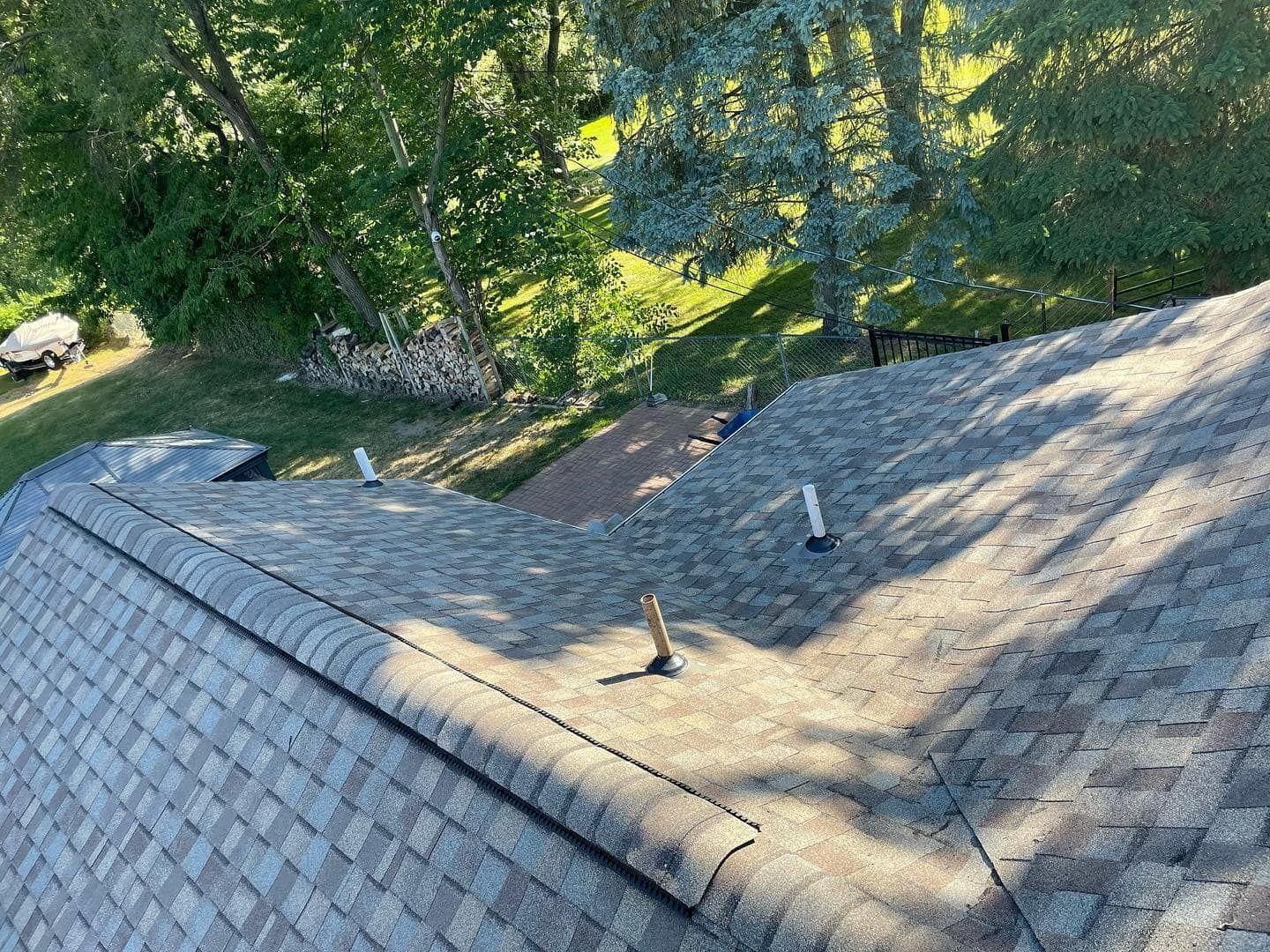
A roof sheds water well across its open field of shingles. The trouble spots are the places where that surface is interrupted or joined: around the chimney, where the roof meets a wall, in the valleys where two slopes come together, around vents, skylights, and pipes, and along edges. Every one of those is a seam where water could get in, and flashing, the metal installed at those joints, is what seals them and channels water back onto the roof. In other words, flashing waterproofs precisely the spots most likely to leak.
That is why flashing matters out of all proportion to its size. The shingles handle the easy part; the flashing handles the hard part, the joints and penetrations where water is actively trying to find a way in. So when flashing fails, it fails exactly where the roof is most vulnerable, which is why most roof leaks trace back to flashing rather than to the shingles themselves. Get the flashing wrong, and the best shingles in the world will not keep the roof dry.
Why Flashing Fails
Given how important it is, it helps to know why flashing fails, because the causes explain why it is such a common and preventable mistake.
Poor or shortcut installation
This is a big one. Flashing done cheaply, reused old flashing on a new roof, or worse, a smear of caulk or roofing tar used in place of proper metal flashing, fails early. Done right, flashing is correctly formed metal, properly integrated with the roofing. Done as a shortcut, it is a leak waiting to happen.
Failed sealant and aging
Where flashing relies on sealant or caulk, that material dries out, cracks, and fails over the years, opening the joint. Metal flashing itself can corrode or deteriorate with age and weather exposure.
Flashing that lifts or comes loose
Wind, ice, and the constant expansion and contraction of freeze-thaw can work flashing loose or lift it, breaking the seal so water gets behind it. Our Michigan winters are hard on these connections.
Damage and movement
Storms, ice dams, settling, and general wear can damage or shift flashing, compromising the seal at those critical joints.
Simply being overlooked
Because flashing is small and not the "main" part of the roof, it gets neglected, in installation, in inspections, and in maintenance, until it leaks.
The common thread is that flashing is both critical and easy to skimp on or ignore, which is exactly the recipe for an expensive failure. It is the part most likely to be done cheaply and least likely to be noticed until water is already coming in.
Tip:
When you have any roof work done, or get a roof quote, pay specific attention to the flashing. Ask whether the flashing will be new, properly installed metal, not reused or replaced with caulk, at the chimney, valleys, walls, and penetrations. From the ground or a window, you can sometimes spot trouble: rusted, lifted, or obviously caulk-patched flashing, or staining on a ceiling below a chimney or wall. Catching flashing issues early, before they soak the structure, is the whole game with this particular roofing detail.
Why a Small Failure Becomes Big, Hidden Damage
Here is the heart of why flashing failures are so expensive: it is not the flashing that costs you, it is everything the water damages after the flashing fails, often for a long time before you ever see it.
When flashing fails, water does not pour in dramatically. It seeps in slowly at a joint and travels, following the roof structure down and out of sight. It soaks into the roof deck, runs along framing, saturates insulation, and works into wall and ceiling cavities. All of this happens hidden, inside the roof and walls, where you cannot see it. By the time a stain finally appears on a ceiling or you notice a problem, the water has often been getting in for a long time, and the damage behind the scenes can be extensive: rotted roof decking and framing, ruined insulation, and mold growing in the dark, damp spaces.
That is the expensive part. A flashing repair caught early is minor. But flashing left to leak can lead to structural wood rot, mold remediation, interior repairs, and sometimes major work, all stemming from a small metal detail that failed quietly. The cost is wildly out of proportion to the flashing itself, which is exactly why roofers call flashing failures one of the most expensive roofing mistakes. The water does its damage slowly and out of sight, so a tiny problem compounds into a big one before it is caught.
Warning:
Don't ignore the early signs that flashing may be failing, a stain on the ceiling near a chimney or wall, staining in the attic, or visibly loose, rusted, or caulk-patched flashing. The water is almost certainly already getting into the structure, and every week it continues, the hidden damage grows. And be cautious of any roof repair or installation that "flashes" with a bead of caulk or tar instead of proper metal, or reuses old flashing, it's a shortcut that leads straight to the expensive failures described here. Flashing is not the place to cut corners or wait and see.
How to Prevent the Expensive Mistake
The good news is that flashing failures are largely preventable, and preventing them is far cheaper than repairing the damage they cause. It comes down to doing flashing right and keeping an eye on it.
Insist on proper flashing, done right
On any new roof or repair, the flashing at chimneys, walls, valleys, and penetrations should be correctly installed metal, properly integrated with the roofing, not reused, and not faked with caulk. This is the single biggest factor. Quality flashing, correctly installed, is what prevents the failures in the first place.
Have it inspected
Because flashing is where leaks start and is easy to overlook, having a roofer inspect the flashing periodically, and after major storms, catches deterioration, lifting, or failing sealant before it turns into a leak. The vulnerable joints are exactly what a good inspection focuses on.
Address problems early
If flashing is found loose, corroded, or failing, repairing or replacing it promptly stops water from getting in and prevents the hidden damage. Early action on a flashing problem is cheap; waiting is what gets expensive.
Use an experienced roofer
Proper flashing is a craft, knowing how to form and integrate metal at each type of joint. An experienced roofer who treats flashing as the critical detail it is, rather than an afterthought, is your best protection against this particular costly mistake.
Put simply, the way to avoid one of the most expensive roofing mistakes is to treat the least expensive part of the roof with the seriousness it deserves, getting the flashing right and keeping it sound. That is a small investment against a very large potential cost.
Frequently Asked Questions
What is flashing and why does it matter?
Flashing is the metal installed at the roof's joints and penetrations, around the chimney, where the roof meets walls, in valleys, and around vents, skylights, and pipes, to seal those spots and channel water back onto the roof. It matters enormously because those joints are where water is most likely to get in. The shingles handle the easy areas; flashing protects the vulnerable ones.
Why are flashing failures so expensive?
Because the cost isn't the flashing, it's the damage the water causes after it fails. Flashing leaks seep in slowly and travel unseen into the roof deck, framing, insulation, and ceilings, causing rot and mold that often go unnoticed for a long time. By the time a stain appears, the hidden damage can be extensive. A small metal detail failing quietly compounds into major structural and interior repairs.
What causes flashing to fail?
Most often poor or shortcut installation, cheap work, reused old flashing, or caulk used instead of proper metal. It also fails as sealant dries and cracks, as metal corrodes with age, and when wind, ice, and freeze-thaw lift or loosen it. And because it's small, it's frequently overlooked in installation, inspections, and maintenance until it leaks. It's both critical and easy to skimp on.
How do I know if my flashing is failing?
Watch for stains on the ceiling near a chimney or wall, staining in the attic, or visibly loose, rusted, or caulk-patched flashing you can spot from the ground or a window. These signs usually mean water is already getting into the structure. Because flashing leaks work out of sight, any of these is worth a prompt look before the hidden damage grows.
Can't flashing just be sealed with caulk?
Caulk is not a substitute for proper metal flashing. Using a bead of caulk or roofing tar in place of correctly formed, integrated metal is exactly the shortcut that leads to early failure and expensive leaks. Sealant has a place as part of a proper detail, but a roof's joints need real flashing, done right, to stay watertight over the years, especially through freeze-thaw.
Why does Michigan weather make flashing failures worse?
Southeast Michigan's freeze-thaw cycles, snow, ice dams, and wind work every joint on a roof hard, season after season. That repeated stress loosens and lifts flashing, cracks sealant, and drives water at the seams, exactly where flashing has to hold. So flashing here is both more stressed and more important, and failures show up as a leading cause of the leaks and hidden damage roofers see.
Is preventing flashing failure really cheaper than fixing it?
Far cheaper. Proper flashing is a small part of a roof's cost, and a flashing repair caught early is minor. The expensive scenario is letting flashing leak until it rots decking and framing, ruins insulation, and grows mold, leading to structural and interior repairs. Spending a little to get flashing right and keep it sound prevents a potentially large bill down the road.
Don't Let the Smallest Detail Cause the Biggest Bill
Flashing is one of the smallest, least costly parts of a roof, and failing to do it right is one of the most expensive mistakes a homeowner can make. It seals the roof's most vulnerable joints, so when it fails, usually from shortcut installation, aging sealant, or weather working it loose, water gets in exactly where it does the most harm, and travels unseen into the structure, causing rot and mold long before a stain ever appears. The fix is to respect the detail: insist on proper flashing done right, have it inspected, and address problems early. Treat the cheapest part of the roof seriously, and you avoid one of the costliest roofing mistakes there is.
Protect your roof where leaks really start: the flashing — Flashing failures cause more costly hidden damage than worn shingles because water seeps in at the joints and rots the structure long before you see a stain, and caulk or reused flashing only speeds the failure. With 36
years of experience, Weatherseal Home Improvements
provides
roof flashing repair for homeowners throughout Shelby Township, Michigan, installing and inspecting properly integrated flashing to catch and prevent the failures that become expensive. Reach out for a roof and flashing inspection before a small detail becomes a big bill.