What Happens During a Professional Roof Inspection (And What Contractors Look For)
A well-maintained roof is one of the most critical components of any home or commercial building. It serves as the first line of defense against harsh weather, water damage, and structural issues. Yet, many property owners neglect routine roof inspections, often only noticing problems when leaks, missing shingles, or visible wear appear. A professional roof inspection is a proactive approach that helps identify potential issues before they escalate into costly repairs. By understanding what occurs during a professional assessment, property owners can make informed decisions about maintenance, repairs, and replacement, ultimately extending the life of their roof and protecting the investment in their property.
Professional roof inspections are detailed, methodical, and conducted by experienced contractors trained to spot even subtle signs of damage or deterioration. These inspections go beyond a visual glance, incorporating a close evaluation of roofing materials, structural components, and drainage systems. Contractors also consider environmental factors, such as local weather conditions and the roof’s age, when assessing potential risks. For homeowners and business owners alike, knowing what inspectors look for and how they assess roof health provides peace of mind and a clear roadmap for addressing issues before they compromise the safety, efficiency, or value of the property.
1. Initial Visual Assessment: The First Step
Overview of the Exterior Examination
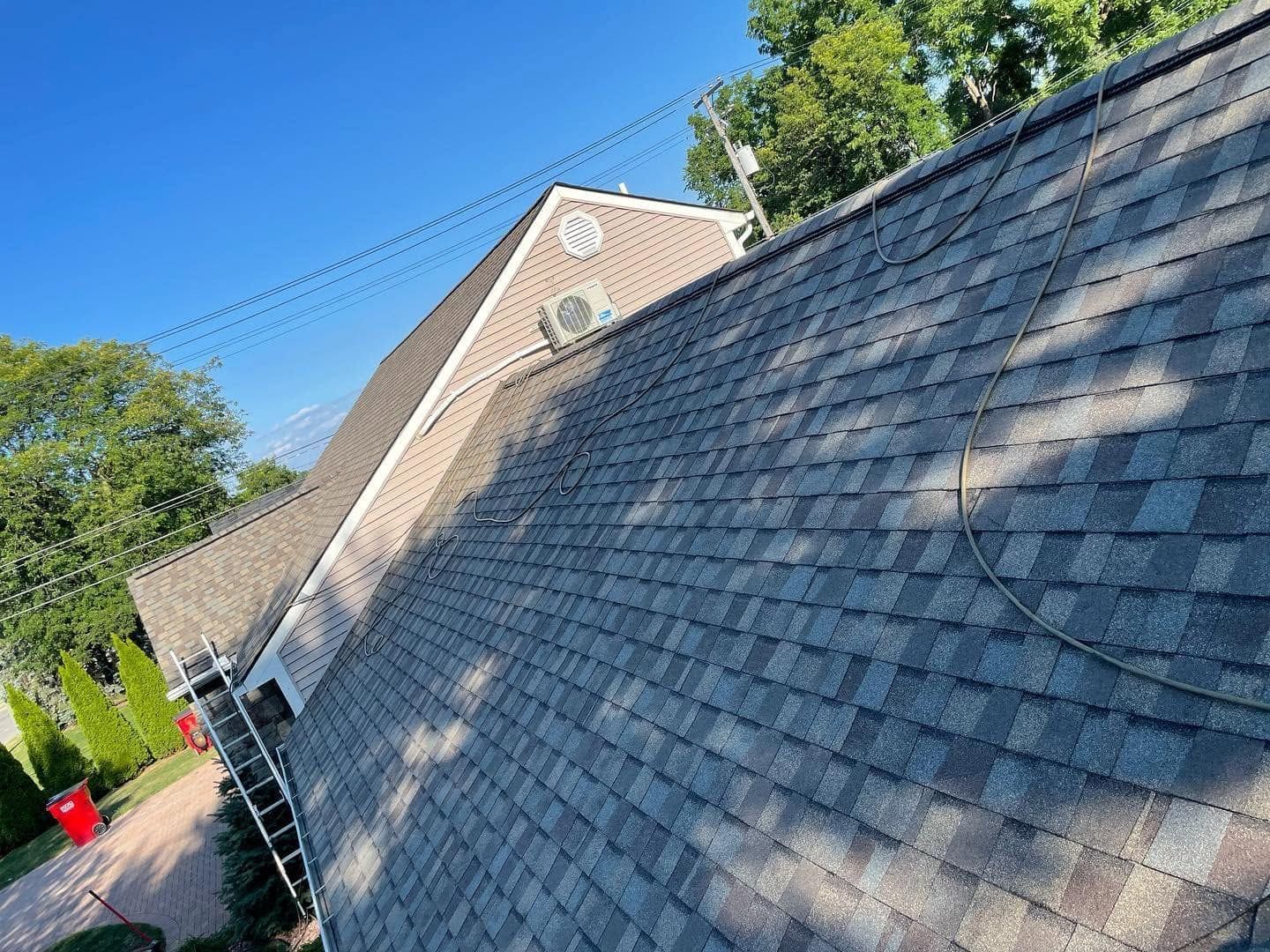
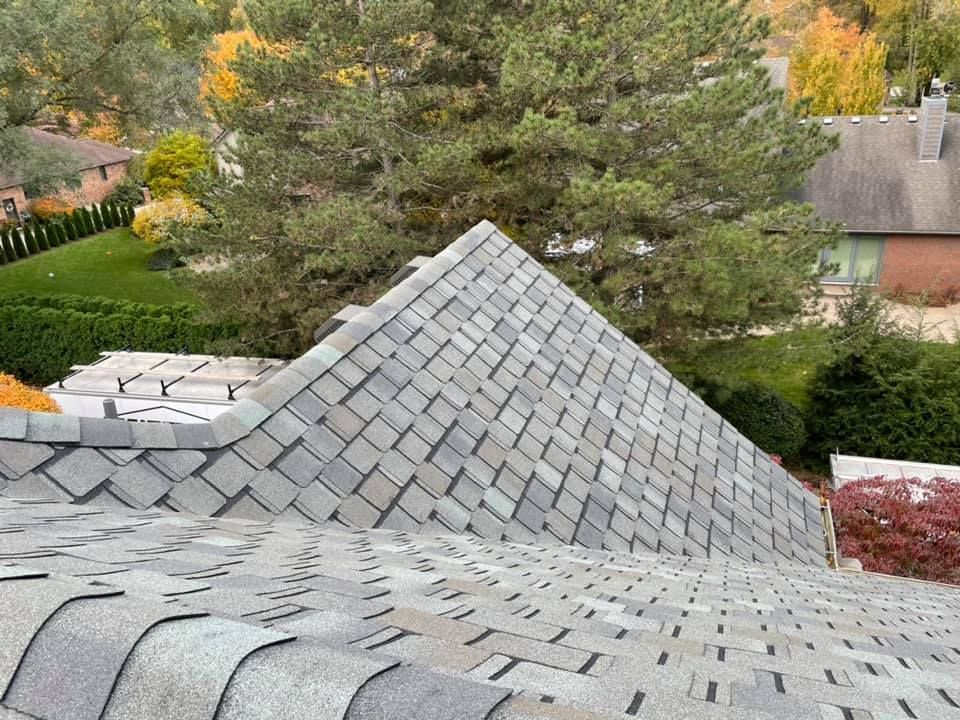
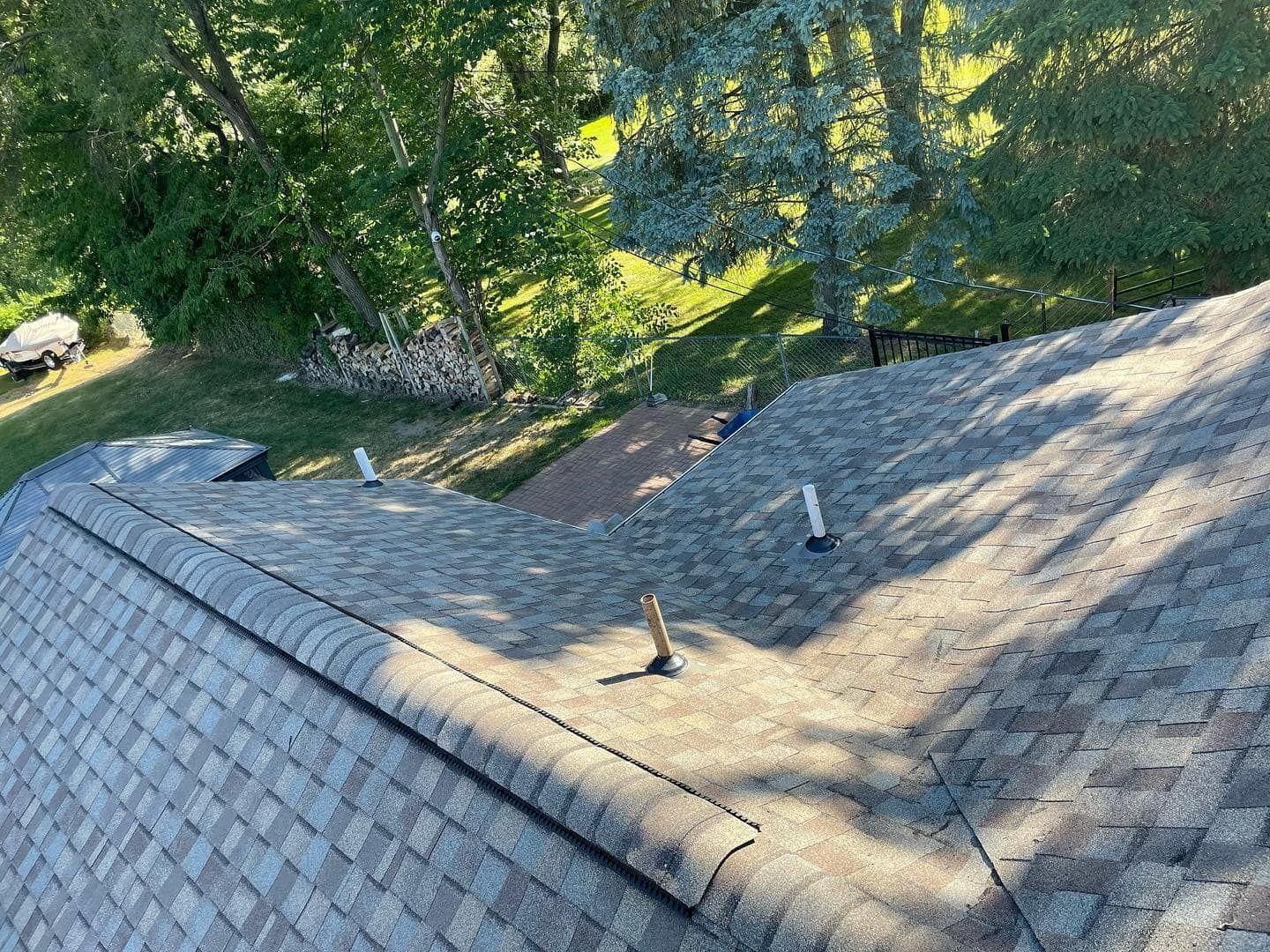
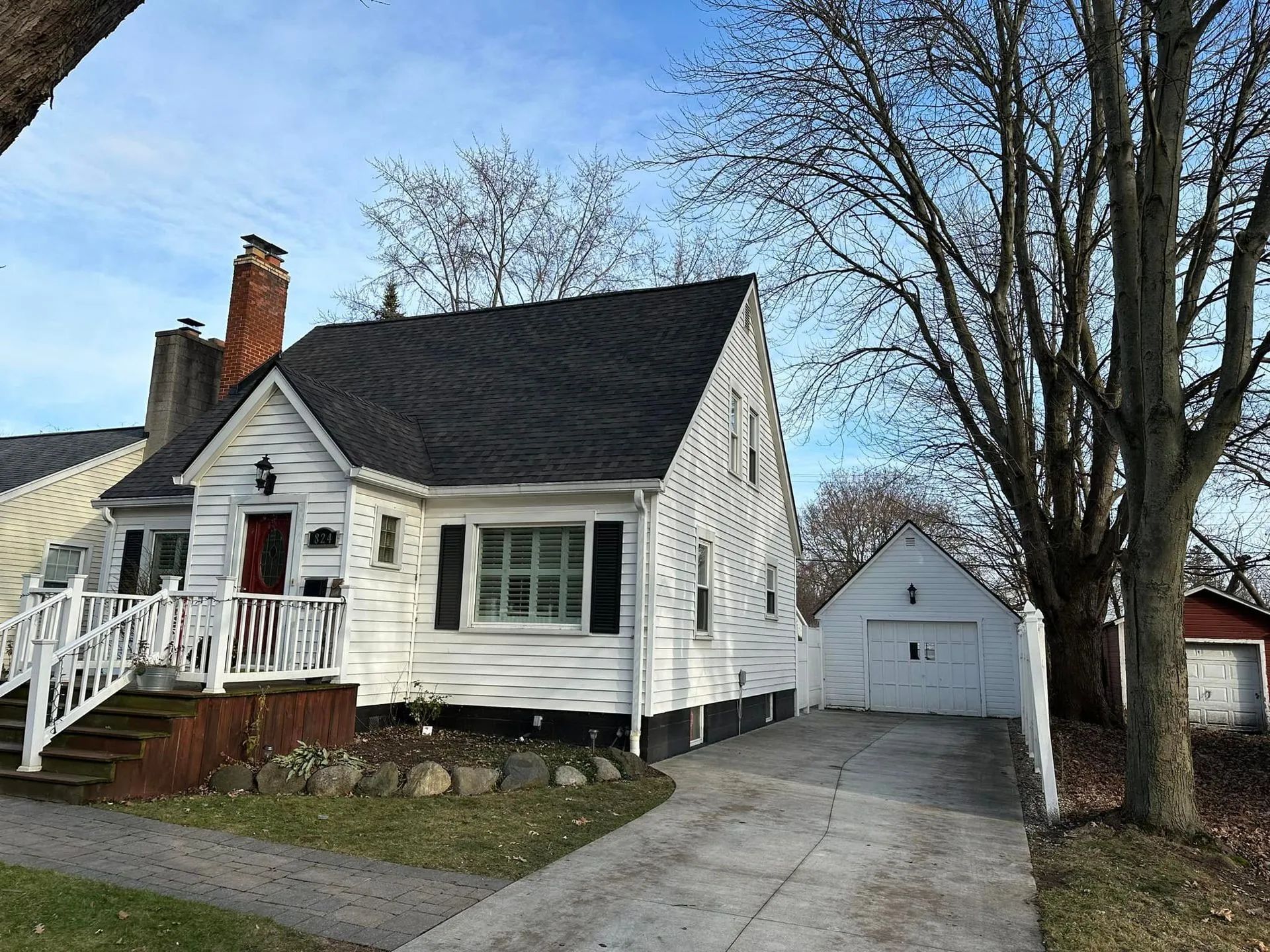
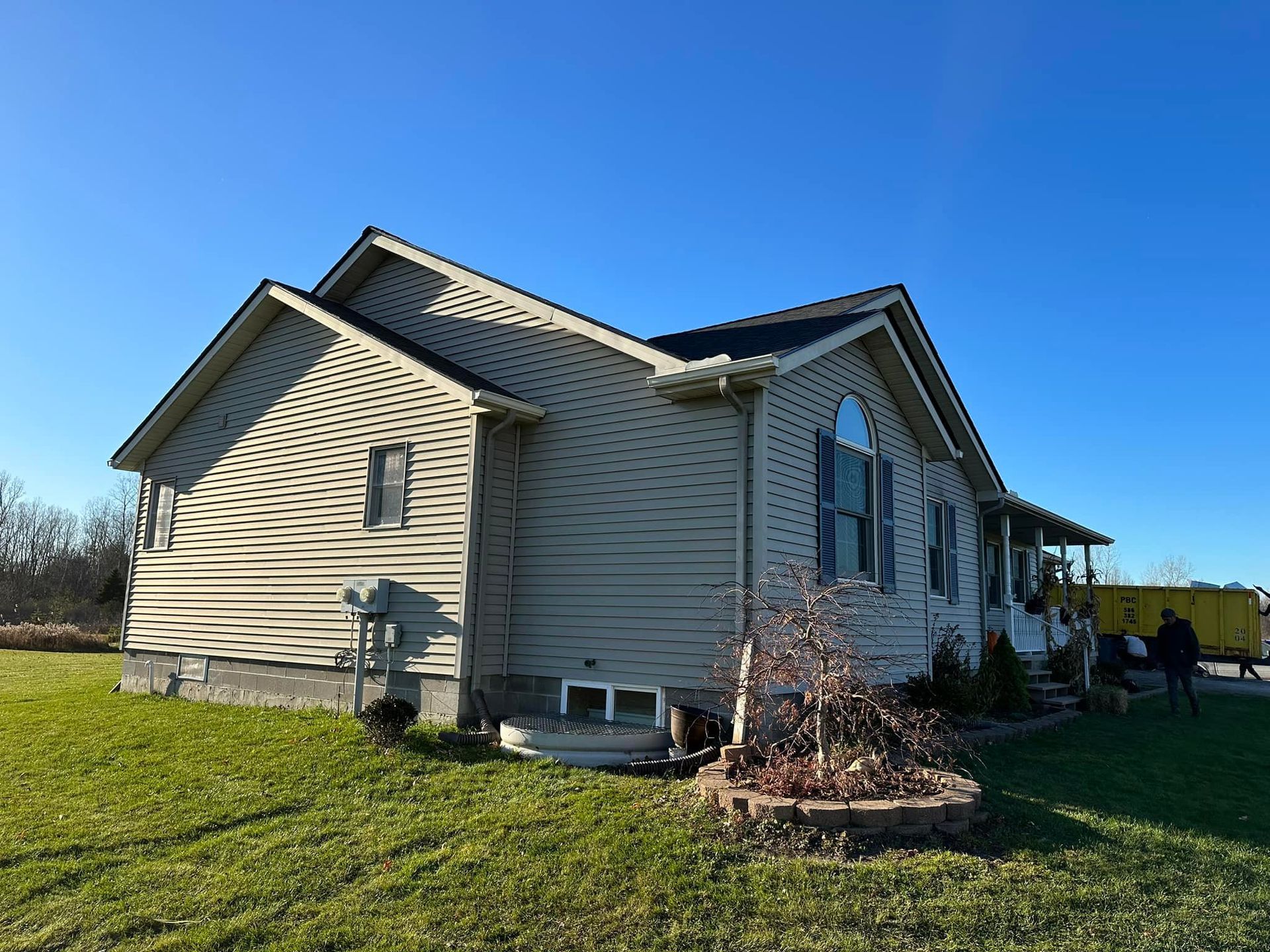
Professional roof inspections always begin with a comprehensive visual assessment of the exterior. Contractors examine the roof from multiple vantage points, including the ground, ladder-access points, and occasionally from the roof surface itself. The goal is to detect obvious signs of wear, such as missing, cracked, or curling shingles, as well as areas where the roofing material may have shifted or deteriorated over time. Inspectors also look for sagging areas, which could indicate underlying structural issues or compromised decking.
Checking Roof Features and Flashing
Inspectors pay close attention to roof features such as chimneys, skylights, vents, and valleys, which are prone to leaks and water damage if not properly maintained. Flashing, the metal material used to seal joints and prevent water intrusion, is examined for rust, cracks, or gaps. Damaged flashing can allow water to seep into the structure, leading to rot, mold growth, or even foundational problems. Contractors may note these areas for immediate repair or monitoring, depending on the severity.
Real-World Example
A common scenario involves older asphalt shingles that appear intact from a distance but show significant granule loss upon closer inspection. Granule loss weakens the shingles’ protective layer, leaving the roof susceptible to UV damage and water infiltration. Early detection through visual inspection often saves property owners from expensive replacement costs.
2. Structural Integrity: Ensuring the Roof’s Foundation
Evaluating Roof Decking and Support
Beyond surface materials, a professional roof inspection assesses the structural integrity of the roof decking and support framework. Contractors may inspect attic spaces to identify signs of sagging rafters, water stains, or wood rot that can compromise the roof’s stability. Even minor structural weaknesses, if left unaddressed, can escalate into major safety hazards.
Signs of Stress and Damage
Some structural issues are subtle and not visible from the exterior. For example, water infiltration can cause hidden rot along roof joists or cause insulation to become damp and ineffective. Inspectors use tools like moisture meters and thermal imaging cameras to detect these hidden problems. Additionally, contractors evaluate load-bearing capacity, especially for roofs in areas prone to heavy snowfall or wind, ensuring that the roof can safely handle seasonal stress.
Expert Reasoning
Contractors emphasize that structural evaluation is crucial not only for immediate safety but also for long-term maintenance planning. Addressing structural weaknesses early can prevent the need for complete roof replacement and minimize disruptions to the property’s interior and exterior.
3. Material Condition Assessment: Shingles, Tiles, and Membranes
Inspecting Roofing Materials
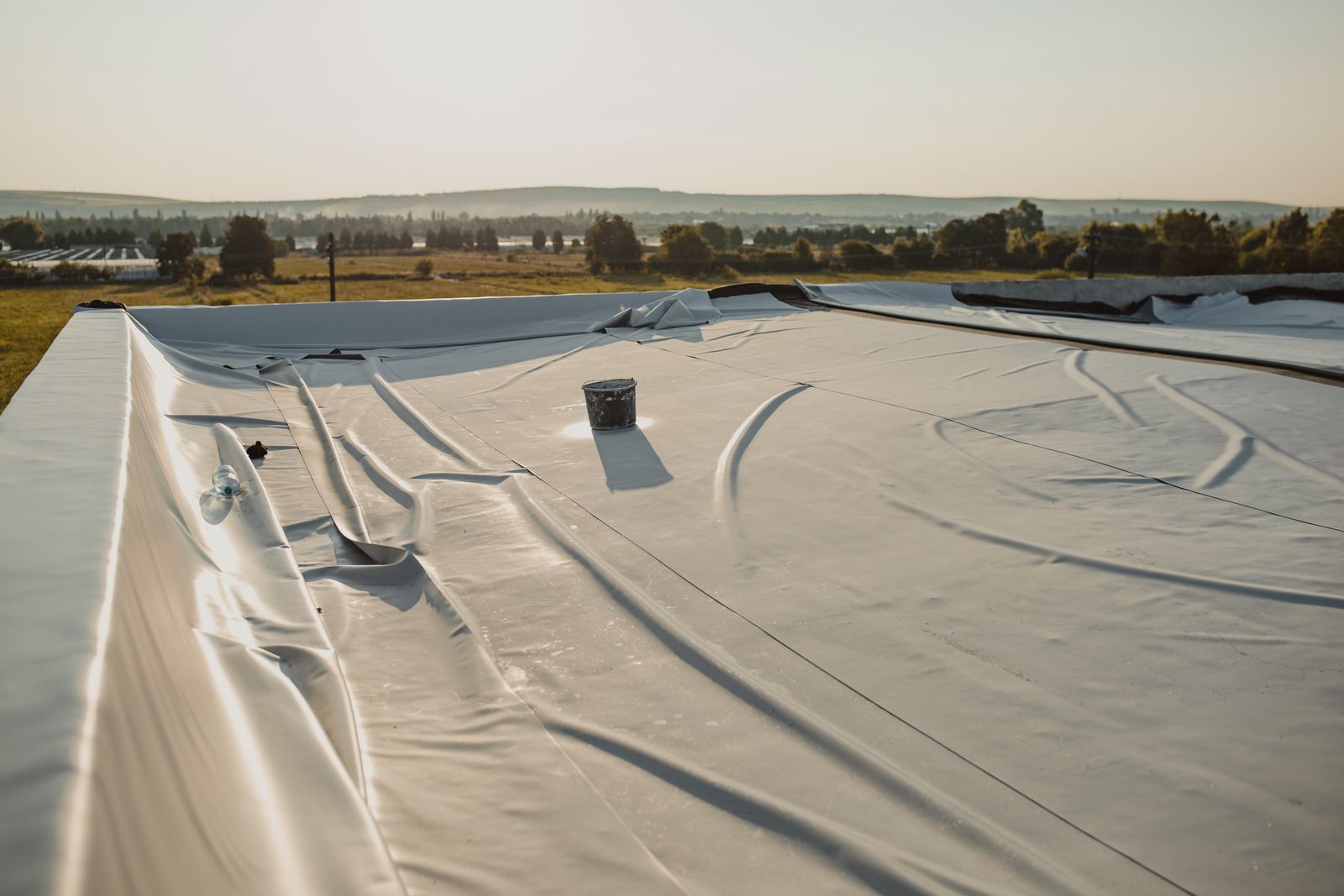
Every roofing material has a finite lifespan, and contractors are trained to identify wear patterns specific to each type. Asphalt shingles may curl or lose granules; metal roofs can show signs of rust or paint peeling; clay or concrete tiles might crack or shift over time. For flat roofs, inspectors check membranes for blisters, punctures, and seams that could allow leaks.
Common Warning Signs
Some warning signs are easy for inspectors to spot, such as discoloration, moss growth, or granule accumulation in gutters. Others are subtler, like slight warping, loose fasteners, or deteriorated sealant around penetrations. Recognizing these signs early enables property owners to take preventative measures before minor issues develop into extensive damage.
Case Example
A commercial property with a flat roof experienced minor pooling after heavy rainfall. An inspection revealed that the membrane had small cracks near the drainage points, which had gone unnoticed during routine maintenance. Early repairs prevented water from infiltrating the building and causing ceiling damage or mold growth.
4. Drainage and Water Management Systems
Gutters, Downspouts, and Drainage Evaluation
Proper water drainage is critical to roof longevity. Contractors inspect gutters, downspouts, and internal drainage systems to ensure they are clear of debris and functioning correctly. Clogged or damaged gutters can cause water to back up, leading to roof edge damage, ice dam formation in cold climates, and water intrusion into walls and foundations.
Slope and Water Flow Assessment
Inspectors also assess the roof’s slope and water flow patterns to identify areas prone to pooling or poor drainage. Standing water accelerates deterioration of roofing materials and increases the risk of leaks. In addition, contractors may suggest improvements such as additional downspouts, better gutter placement, or modifications to the roof pitch to enhance water runoff.
Real-World Scenario
A residential property experienced intermittent leaks after storms. Upon inspection, contractors found that water was pooling in a low-slope section due to a misaligned gutter system. Corrective adjustments and minor repairs to the roofing membrane resolved the issue, preventing further interior damage.
5. Roof Penetrations and Flashing Checks
Vulnerable Points on the Roof
Areas where the roof is penetrated—by vents, skylights, chimneys, or HVAC units—are particularly vulnerable to leaks. Inspectors carefully examine flashing, seals, and connections around these penetrations for signs of deterioration or improper installation.
Materials and Sealant Evaluation
Flashings can become loose, corroded, or cracked, allowing water to seep beneath roofing materials. Inspectors also evaluate the condition of sealants around penetrations, noting any signs of shrinking, cracking, or peeling. Timely maintenance in these areas can prevent structural damage and mold growth inside the building.
Practical Example
In one inspection, a contractor discovered that the sealant around a chimney had degraded, creating a slow leak that was staining the attic insulation. Re-sealing the flashing and replacing damaged shingles immediately prevented further water infiltration.
6. Safety, Ventilation, and Compliance Considerations
Roof Ventilation
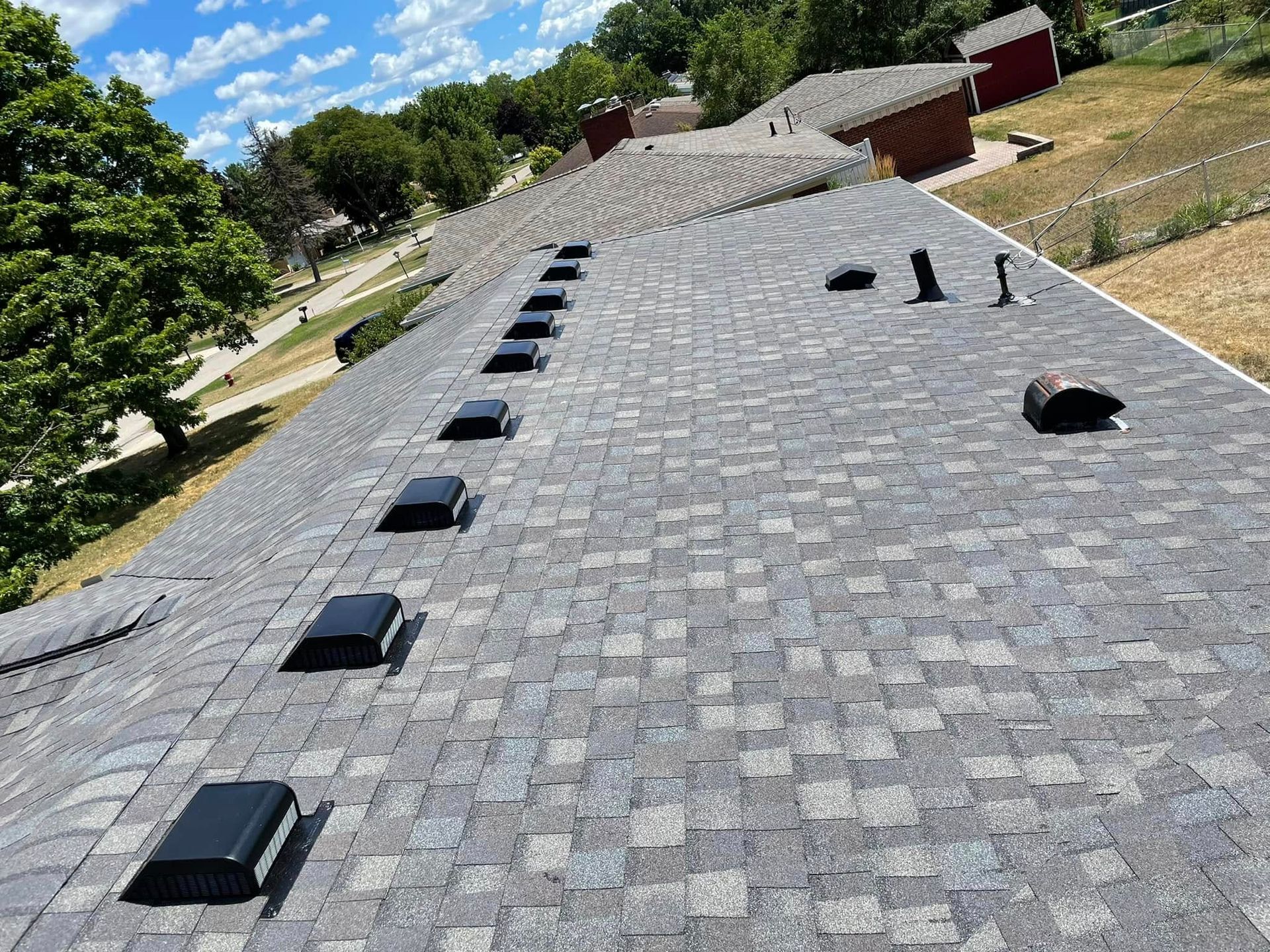
Proper ventilation is essential for preventing heat and moisture buildup in attics, which can damage roofing materials and reduce energy efficiency. Inspectors examine ridge vents, soffit vents, and attic fans to ensure airflow is adequate and unobstructed.
Compliance and Safety Checks
Professional inspections also include safety checks for compliance with local building codes. This includes verifying that roofing materials meet fire resistance standards, ensuring proper installation techniques, and checking for adherence to manufacturer warranties. Contractors often document these findings to help property owners address code-related issues before they become penalties or hazards.
Expert Insight
Well-ventilated and code-compliant roofs not only last longer but also maintain interior comfort and energy efficiency. Inspections focused on these areas help property owners optimize both safety and operational performance.
7. Reporting and Recommendations
Comprehensive Documentation
After completing the inspection, contractors compile detailed reports including photographs, notes, and evaluations of observed conditions. These reports outline immediate repair needs, potential future issues, and recommendations for preventative maintenance.
Actionable Guidance for Property Owners
The report provides clear guidance for homeowners or facility managers to make informed decisions. Recommendations may include shingle replacement, flashing repairs, gutter maintenance, or structural reinforcement. Additionally, inspectors may suggest routine maintenance schedules to extend the roof’s lifespan.
Real-World Application
For example, a multi-family residential building underwent an inspection that identified minor membrane blisters on a flat roof. The report recommended a targeted repair plan rather than full replacement, saving the property owner tens of thousands of dollars while addressing the issue before it escalated.
Reliable Roofing Professionals Protecting Your Investment Safely
At Weatherseal Home Improvements, we understand the importance of thorough, professional roof inspections. Based in Shelby Township, Michigan, our team has over 36 years of experience in evaluating, maintaining, and repairing roofs for residential and commercial properties. We take pride in delivering detailed assessments, identifying potential issues before they escalate, and providing clear, actionable recommendations tailored to each property’s unique needs. Our expertise spans all types of roofing materials, from asphalt shingles to metal, tile, and flat membranes, ensuring accurate evaluation and long-lasting solutions.
We prioritize safety, quality, and customer satisfaction, combining hands-on experience with modern diagnostic tools to deliver inspections that are precise and reliable. Property owners who partner with Weatherseal Home Improvements
benefit from our proactive approach, preventing costly damage while extending the life of their roof. With decades of experience, a commitment to excellence, and a trusted reputation in Shelby Township, we ensure that every inspection empowers homeowners and businesses to protect their investment and maintain a safe, durable, and efficient roof.