Why Poor Roof Ventilation Causes Higher Energy Bills and Moisture Problems
Proper roof ventilation is an often-overlooked aspect of maintaining a healthy and energy-efficient home. While many homeowners focus on insulation, roofing materials, or HVAC efficiency, the role of ventilation in regulating temperature and moisture levels is critical. Poor roof ventilation can lead to a host of problems, including skyrocketing energy bills, premature wear on roofing materials, and hidden moisture issues that compromise indoor air quality. In addition, insufficient ventilation can reduce the effectiveness of insulation and increase stress on your roof structure over time. Understanding how ventilation affects your home’s overall performance is essential for homeowners seeking long-term savings, structural integrity, and a comfortable living environment.
Inadequate airflow in your attic or roof space creates an imbalance that forces your HVAC system to work harder, directly impacting energy costs. Beyond the financial burden, trapped heat and humidity can cause condensation, mold growth, and damage to wooden structures. Over time, this can lead to deteriorating shingles, ice dams in winter, and even hidden structural weaknesses that are costly to repair. These issues often go unnoticed until they escalate, resulting in significant repairs and reduced comfort levels. By addressing roof ventilation problems proactively, homeowners can improve energy efficiency, maintain healthier indoor environments, and extend the lifespan of their roofing system while protecting their investment for years to come.
How Roof Ventilation Works
The Basics of Airflow
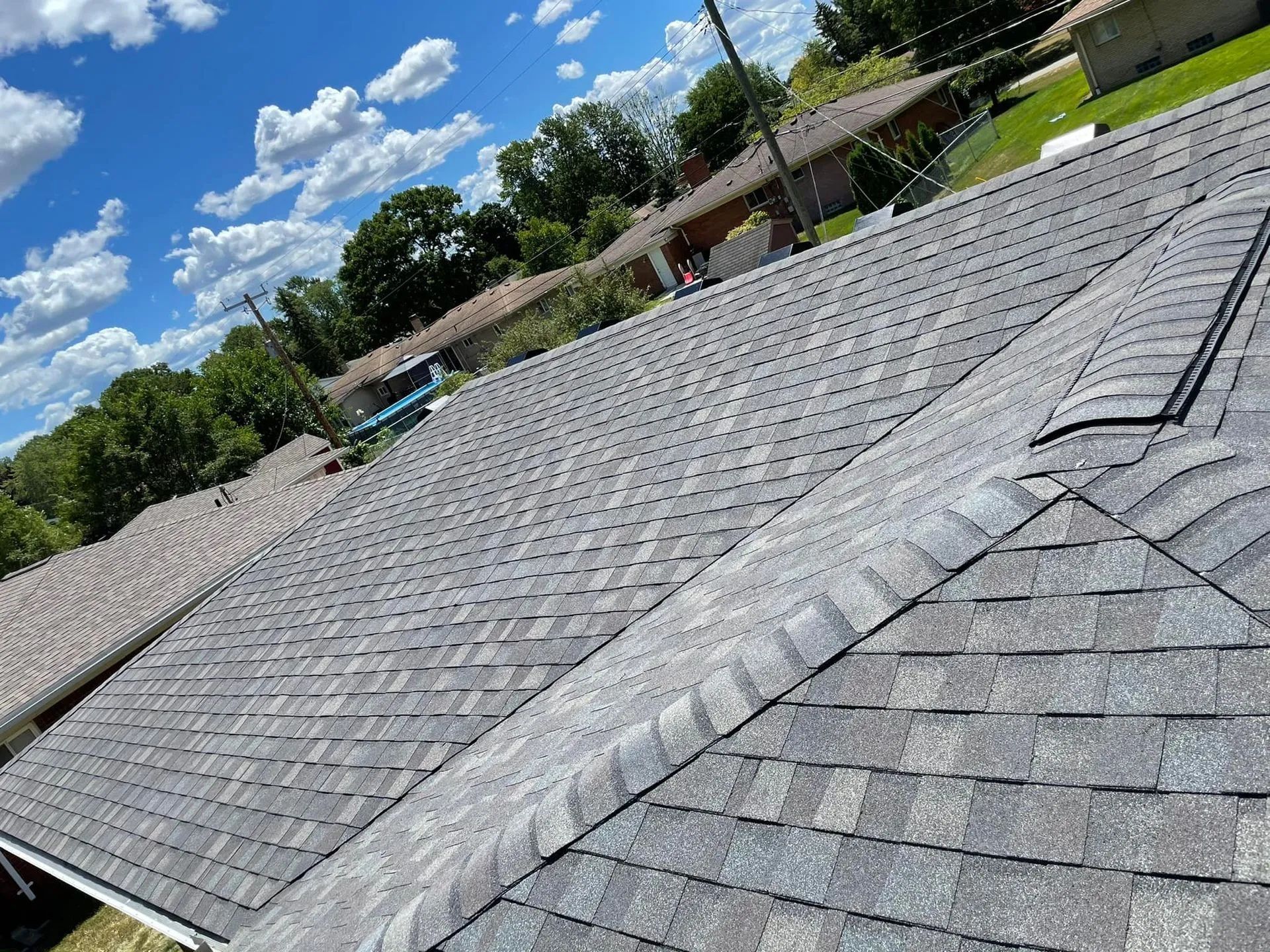
Roof ventilation involves a combination of intake vents and exhaust vents that allow air to circulate through the attic space. Intake vents, usually located near the eaves or soffits, draw in fresh air, while exhaust vents near the roof ridge expel hot, moist air. This continuous airflow helps regulate attic temperature, prevents moisture buildup, and supports the overall efficiency of your home’s HVAC system.
Importance of Balanced Ventilation
Balanced ventilation ensures that the amount of air entering the attic equals the air exiting it. When this balance is disrupted, either by blocked vents or improper installation, airflow is restricted. The result is trapped heat in the summer and moisture accumulation in the winter. Without proper ventilation, attics become hot and humid, directly affecting energy efficiency and structural health.
Real-World Example
A homeowner in Michigan reported unusually high cooling bills during summer despite having a high-efficiency air conditioner. Inspection revealed that attic ventilation was insufficient, causing heat to accumulate and forcing the HVAC system to run longer. After installing ridge vents and soffit vents, the homeowner observed a noticeable drop in energy consumption and improved indoor comfort.
Increased Energy Bills from Poor Ventilation
How Heat Build-Up Impacts Cooling Costs
During warm months, a poorly ventilated attic acts like an oven, trapping heat against the roof deck. This heat transfers into living spaces below, making it more difficult for air conditioning systems to maintain comfortable temperatures. The result is longer HVAC runtimes, higher energy consumption, and increased utility bills.
Winter Energy Inefficiencies
In colder months, inadequate ventilation can also contribute to uneven heating. Warm air escaping from the living areas rises to the attic, where it mixes with trapped moisture. Ice dams can form along roof edges, leading to heat loss and higher heating costs. Proper ventilation mitigates these issues by allowing controlled airflow, keeping attic temperatures more consistent and preventing unnecessary energy use.
Expert Insight
Energy auditors and roofing professionals consistently identify poor ventilation as a significant contributor to inflated energy bills. By maintaining proper attic airflow, homeowners can reduce energy demand, prevent HVAC overuse, and achieve long-term cost savings. Implementing a ventilation strategy that includes both ridge and soffit vents is often the most effective solution.
Moisture Problems Caused by Poor Ventilation
Condensation and Mold Growth
Moisture is a natural byproduct of daily activities like cooking, bathing, and laundry. In a well-ventilated attic, this moisture is expelled through exhaust vents. In contrast, poor ventilation traps moisture, creating an environment conducive to condensation. Persistent condensation can lead to mold growth, which poses health risks and damages building materials.
Damage to Roofing Materials
Moisture accumulation can warp wooden roof structures, weaken shingles, and shorten the lifespan of insulation. Over time, water infiltration may lead to leaks and rot, requiring extensive repairs or premature roof replacement. Unvented or poorly ventilated attics are particularly vulnerable in regions with high humidity or significant seasonal temperature changes.
Real-World Scenario
In a multi-story home, repeated condensation due to insufficient roof ventilation led to black mold developing behind attic insulation. The homeowner experienced both health issues and structural damage, prompting an emergency remediation. Installation of a combination of ridge and soffit vents corrected the airflow problem and halted further moisture accumulation, illustrating the critical role proper ventilation plays in moisture control.
Identifying Poor Roof Ventilation
Signs to Look For
Recognizing ventilation issues early can prevent expensive repairs. Common indicators include:
- Excessive heat in the attic during summer
- Ice dams forming along roof edges in winter
- Peeling paint or warped ceilings
- Musty odors or visible mold growth
- Premature shingle deterioration
Tools and Methods for Diagnosis
Roofing professionals may use infrared cameras, moisture meters, or airflow calculations to assess ventilation effectiveness. While homeowners can notice some signs visually or through HVAC performance patterns, professional evaluation ensures accurate diagnosis and appropriate corrective measures.
Proactive Inspection
Scheduling periodic inspections can help detect blocked vents, improperly installed insulation, or ventilation obstructions caused by debris or pest activity. Early identification allows homeowners to implement solutions before energy bills escalate or moisture damage occurs.
Best Practices for Proper Roof Ventilation
Types of Vents and Their Placement
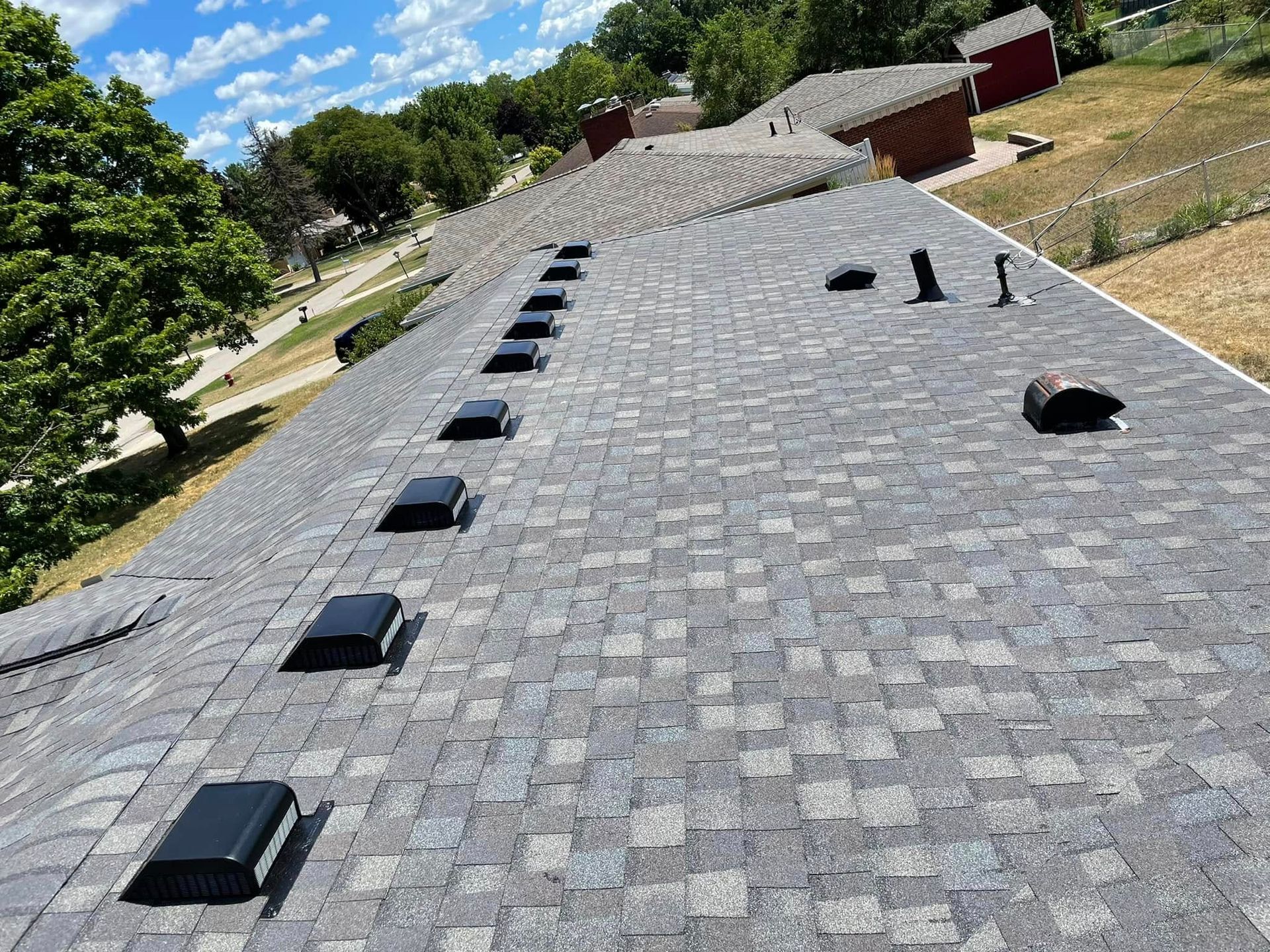
Effective roof ventilation typically combines intake and exhaust vents. Soffit vents at the roof eaves allow cool air to enter, while ridge vents along the peak enable hot air to escape. Gable vents, turbine vents, and powered attic fans can supplement airflow if designed correctly. Placement should ensure a continuous path for air to travel from intake to exhaust.
Insulation and Airflow Management
Proper insulation works hand-in-hand with ventilation. Airflow should not be blocked by insulation; baffles or spacers can maintain channels for ventilation. Balanced insulation prevents energy loss and minimizes the risk of ice dams while allowing adequate airflow to control temperature and moisture levels.
Seasonal Considerations
Ventilation needs can vary depending on local climate. Homes in humid regions may require enhanced exhaust capacity, while colder climates benefit from strategies that prevent ice dams and condensation. Tailoring ventilation to seasonal conditions ensures optimal performance year-round.
Real-World Example
A homeowner in Shelby Township, Michigan, noticed condensation forming in winter along attic rafters. By adding soffit baffles, ridge vents, and adjusting insulation to prevent airflow blockage, the attic remained dry, and heating efficiency improved, highlighting the importance of proper design and installation.
The Long-Term Benefits of Proper Roof Ventilation
Energy Efficiency and Cost Savings
Adequate ventilation reduces the workload on heating and cooling systems, leading to lower energy bills. Over time, these savings can offset the cost of installing or upgrading ventilation, providing measurable financial benefits to homeowners.
Extended Roof Lifespan
By mitigating heat buildup and moisture accumulation, proper ventilation helps preserve roofing materials, including shingles, underlayment, and structural components. Homes with well-ventilated attics experience fewer leaks, less warping, and longer-lasting roofs.
Improved Indoor Air Quality
Ventilation reduces moisture and prevents mold and mildew growth, contributing to healthier indoor air. This benefit is particularly important for families, individuals with allergies, or residents in humid climates.
Reduced Repair Costs
Homes with proper attic ventilation experience fewer emergency repairs. Ice dams, mold remediation, and structural rot are costly problems often linked to inadequate ventilation. Preventive measures save both money and stress over the life of the roof.
Expert Perspective
Roofing contractors emphasize that ventilation should be part of a holistic approach to home performance. Coupled with proper insulation, moisture barriers, and regular inspections, ventilation helps create a safe, energy-efficient, and durable home environment.
Expert Home Protection with Weatherseal Roofing Services
Poor roof ventilation is more than a minor inconvenience; it directly affects energy costs, structural integrity, and indoor air quality. Without proper airflow, attics trap heat in summer and moisture in winter, forcing HVAC systems to overwork and creating conditions for mold, rot, and shingle damage. Homeowners who ignore ventilation problems often face higher energy bills, premature roof deterioration, and extensive repair costs. Conversely, well-designed ventilation systems balance intake and exhaust airflow, reduce HVAC strain, control moisture, and extend the lifespan of roofing materials. In addition, proper ventilation improves indoor comfort, prevents ice dams during cold months, and enhances the overall value of your home, making it a wise long-term investment.
At Weatherseal Home Improvements
in Shelby Township, Michigan, we bring 36
years of experience helping homeowners solve roof ventilation challenges. Our team specializes in comprehensive ventilation assessments, tailored solutions, and professional installation to maximize energy efficiency and protect your home. By combining expert knowledge, quality materials, and personalized service, we ensure that every home we serve remains comfortable, safe, and energy-efficient year-round. We also provide guidance on maintenance best practices and ventilation upgrades, helping homeowners avoid costly repairs and enjoy peace of mind knowing their roofs are performing optimally. Trust Weatherseal Home Improvements
for reliable solutions that prevent costly damage, enhance home comfort, and support long-term savings.