The Ultimate Guide to Choosing the Best Windows for Your Home
Choosing the right windows for your home is more than just a matter of aesthetics. Windows play a critical role in determining your home's energy efficiency, security, and overall comfort. They act as a barrier against harsh weather conditions, regulate indoor temperature, and contribute to the aesthetic appeal of your living space. With so many options available in terms of style, materials, and energy performance, homeowners often find themselves overwhelmed by the choices. Making an informed decision requires understanding the different types of windows, their benefits, and the factors that affect their longevity and efficiency.
The importance of selecting
high-quality windows cannot be overstated. Poorly chosen windows can lead to energy loss, increased utility bills, and even structural issues over time. On the other hand, investing in the right windows enhances the value of your property, improves natural lighting, and provides better insulation. This comprehensive guide will walk you through everything you need to know when choosing the best windows for your home. From understanding materials and styles to energy efficiency ratings and maintenance considerations, this guide offers actionable insights to help you make a smart, confident decision.
Understanding Different Window Types
Double-Hung Windows
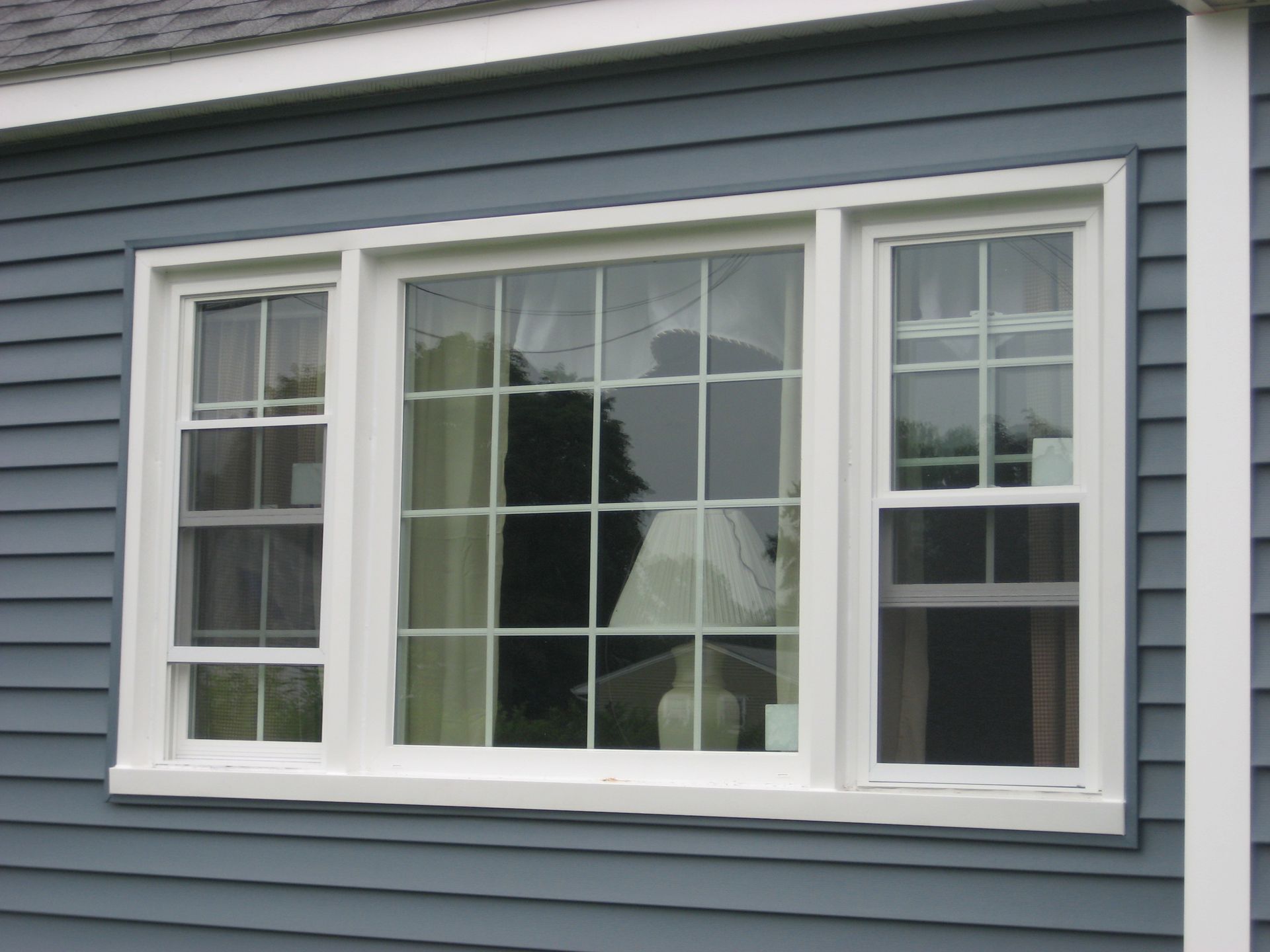
Double-hung windows are a popular choice for traditional and modern homes alike. They feature two operable sashes that move vertically, allowing for versatile ventilation. The top and bottom sashes can be opened independently, offering better control of airflow. They are also easy to clean, as many models come with tilt-in sashes. Double-hung windows are suitable for bedrooms, living rooms, and kitchens due to their functional design and classic appearance.
Benefits:
- Enhanced ventilation control – Allows you to adjust airflow precisely for comfort in any season.
- Easy maintenance and cleaning – Tilt-in sashes make it simple to clean from inside the home.
- Timeless design that fits many home styles – Complements both traditional and contemporary architectural designs.
Challenges:
- May have slightly lower energy efficiency compared to fixed windows – Heat can escape more easily through operable sashes.
- Hardware and sash maintenance may be needed over time – Hinges, locks, and balances can wear and require attention.
Casement Windows
Casement windows are hinged at the side and open outward using a crank mechanism. They offer excellent airflow and can capture breezes effectively, making them ideal for areas that require maximum ventilation. Casement windows are known for their tight seal when closed, providing strong energy efficiency and insulation.
Benefits:
- Superior energy efficiency due to tight seals – Minimizes drafts and helps reduce heating and cooling costs.
- Unobstructed views – No muntins or rails in the center for a clean sightline.
- Easy to operate, even in hard-to-reach places – Crank mechanism allows effortless opening and closing.
Challenges:
- Exterior space requirements for opening – Cannot be installed where outdoor clearance is limited.
- Crank mechanisms may wear out over time – Requires occasional lubrication or part replacement to function smoothly.
Sliding Windows
Sliding windows operate by moving one or more panels horizontally along a track. They are simple, functional, and ideal for modern home designs. Sliding windows are often used for wide openings where traditional sash windows might be impractical.
Benefits:
- Smooth operation with minimal effort – Glides easily along tracks for effortless opening and closing.
- Low maintenance due to fewer moving parts – Reduced risk of mechanical issues compared to hinged windows.
- Ideal for wide openings and panoramic views – Perfect for living rooms or spaces needing unobstructed scenery.
Challenges:
- Limited ventilation if only one panel is operable – Only half the window may open for airflow in some models.
- Tracks may require periodic cleaning to maintain smooth movement – Dirt buildup can hinder sliding performance over time.
Selecting the Right Window Material
Vinyl Windows
Vinyl windows are made from durable, low-maintenance PVC material. They are resistant to moisture, corrosion, and fading, making them a practical choice for most climates. Vinyl windows offer good insulation, reducing heating and cooling costs.
Benefits:
- Affordable and energy-efficient – Cost-effective while maintaining thermal performance.
- Low maintenance with no painting required – Just clean occasionally to retain appearance.
- Resistant to warping and moisture damage – Performs well in humid or rainy environments.
Challenges:
- Limited color options – May not match every home’s exterior perfectly.
- Not as structurally strong as wood or aluminum – Large window sizes may require additional support.
Wood Windows
Wood windows offer classic beauty and superior insulation. They can be painted or stained to match your home’s décor, providing a customizable aesthetic. However, they require regular maintenance to prevent rot and damage from moisture or pests.
Benefits:
- Excellent natural insulation – Keeps interiors warm in winter and cool in summer.
- High aesthetic appeal – Adds elegance and timeless charm to any home.
- Customizable finishes – Can be painted or stained to fit personal design preferences.
Challenges:
- Higher initial cost – Premium material comes with a higher upfront investment.
- Requires periodic maintenance and protection from weather – Paint or sealant must be reapplied regularly to prevent decay.
Aluminum and Fiberglass Windows
Aluminum windows are lightweight, strong, and corrosion-resistant, while fiberglass offers durability and excellent thermal performance. Both materials are suitable for modern homes, providing sleek designs and long-lasting performance.
Benefits:
- Strong, durable, and long-lasting – Can withstand harsh weather without warping or cracking.
- Minimal maintenance required – Does not need frequent painting or treatments.
- Good for large window designs due to structural strength – Supports expansive glass panels for panoramic views.
Challenges:
- Aluminum may conduct heat, affecting energy efficiency – Can become hot or cold depending on outdoor temperature.
- Fiberglass is more expensive than vinyl – Higher cost may not fit all budgets.
Energy Efficiency Considerations
Understanding U-Factor and Solar Heat Gain Coefficient
When selecting windows, energy efficiency is a top priority. The U-factor measures how well a window insulates, with lower values indicating better insulation. Solar Heat Gain Coefficient (SHGC) indicates how much solar heat passes through a window, helping you manage indoor temperatures. Windows with a low U-factor and SHGC can significantly reduce heating and cooling costs.
Double or Triple Glazing
Double-glazed windows consist of two glass panes separated by an air or gas-filled space, while triple-glazed windows have three panes for enhanced insulation. These options improve energy efficiency, reduce noise, and enhance indoor comfort. Homes in colder climates benefit greatly from triple-glazing due to superior insulation.
Low-E Coatings
Low-emissivity (Low-E) coatings are thin layers applied to glass that reflect heat while allowing light to pass through. They help maintain consistent indoor temperatures and prevent UV damage to furniture and flooring. Low-E coatings are especially beneficial in regions with extreme seasonal temperatures.
Expert Tip: Always check ENERGY STAR ratings when selecting windows to ensure optimal energy performance. Proper installation is equally important to prevent drafts, leaks, and heat loss.
Aesthetic and Functional Considerations
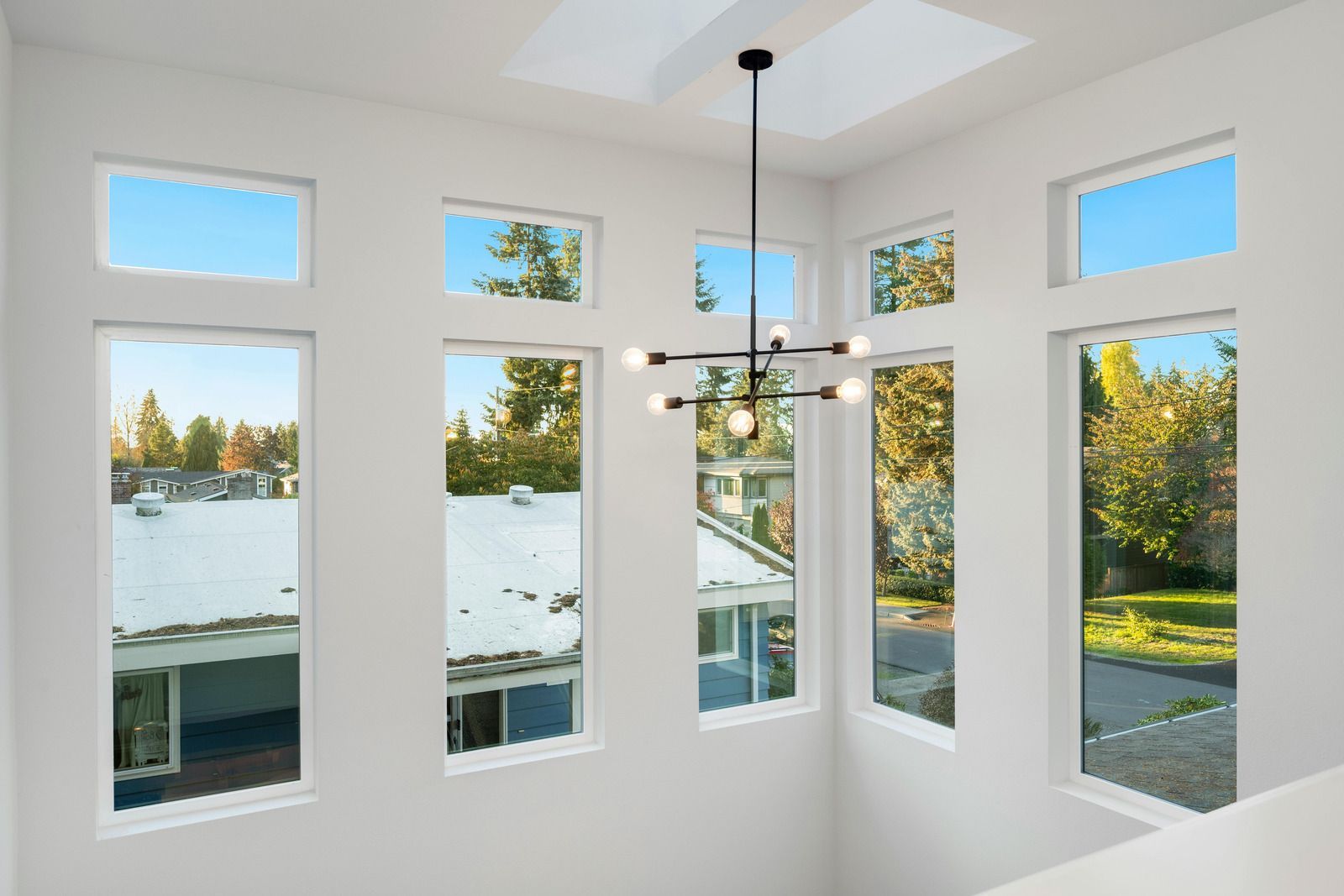
Windows influence both the exterior appearance and interior ambiance of your home. Choosing the right style, shape, and frame color can enhance curb appeal and complement architectural features. Bay and bow windows add elegance and create cozy interior nooks, while picture windows provide unobstructed views and allow maximum natural light.
Functionality also plays a key role. Consider the location and purpose of each window. For example, operable windows are ideal in kitchens and bathrooms for ventilation, while fixed windows maximize light and views in living areas. Balancing aesthetics with practical functionality ensures a home that is both beautiful and comfortable.
Maintenance and Longevity
Windows require routine maintenance to preserve performance and appearance. Vinyl and fiberglass windows are low-maintenance, needing only periodic cleaning, whereas wood windows require regular painting or staining to prevent rot and damage. Inspecting seals, weatherstripping, and hardware helps prevent drafts, leaks, and energy inefficiency.
Longevity is influenced by both material and installation quality. Professional installation ensures proper sealing, alignment, and structural integrity, which can extend the lifespan of windows by decades. Choosing high-quality materials combined with consistent upkeep guarantees that your investment remains valuable over time.
Budgeting and Cost Considerations
Window costs vary widely depending on material, style, size, and energy efficiency features. Vinyl windows are typically the most budget-friendly option, while wood and fiberglass may carry higher upfront costs but offer long-term value through durability and energy savings.
When budgeting, account not only for the purchase price but also for installation, maintenance, and potential energy savings. Investing slightly more in high-efficiency windows can result in significant reductions in heating and cooling bills. Homeowners should also consider warranties and service options, as these can mitigate future repair or replacement costs.
Pro Tip: Compare multiple quotes from reputable contractors to ensure competitive pricing and professional installation.
Expert Guidance on Choosing High-Quality Home Windows
Selecting the right windows for your home is a critical decision that affects energy efficiency, comfort, and aesthetics. Understanding window types, materials, energy performance, functionality, and maintenance requirements allows homeowners to make informed choices that enhance both the interior and exterior of their property. By considering practical and aesthetic factors, investing in quality materials, and ensuring professional installation, you can maximize the lifespan and value of your windows while improving the overall comfort and appeal of your home.
Weatherseal Home Improvements, located in Shelby Township, Michigan, brings 36 years of experience to homeowners seeking high-quality window solutions. Our team specializes in guiding clients through every step of the selection and installation process, ensuring windows meet both functional and design needs. With a commitment to craftsmanship, energy efficiency, and customer satisfaction, Weatherseal Home Improvements
has built a reputation as a trusted authority in home improvements. From initial consultation to expert installation, we provide professional service that protects your investment and enhances your home’s beauty and efficiency for decades to come.