Common Causes of Roof Leaks That Have Nothing to Do With Shingles
When most homeowners think about roof leaks, the first culprit that comes to mind is damaged or missing shingles. While shingles are certainly an important component of a roof’s protective barrier, many leaks occur due to factors entirely unrelated to the shingles themselves. Understanding these hidden causes is crucial for preventing long-term damage, avoiding costly repairs, and maintaining the structural integrity of your home. Focusing solely on shingles can leave homeowners vulnerable to issues that compromise the roof from beneath the surface or around its various components. In fact, some of the most destructive leaks originate in areas that are rarely inspected, meaning homeowners often remain unaware of potential threats until visible damage appears. Regular knowledge and inspection of these less obvious areas can significantly reduce repair costs and protect the overall lifespan of the roof.
Leaks can originate from seemingly minor or overlooked elements such as flashing, plumbing penetrations, or attic ventilation issues. Each of these components plays a vital role in ensuring the roof functions as a complete system. When any one of them fails, water can infiltrate the structure, leading to rot, mold growth, and structural damage. Left unchecked, even small leaks can worsen over time, causing significant interior and exterior damage, including ceiling stains, warped wood, and weakened insulation. In this blog, we will explore some of the most common non-shingle causes of roof leaks, explain how to identify them, and provide actionable advice to prevent these problems. Whether you are a homeowner, property manager, or roofing professional, gaining a deeper understanding of these hidden leak sources can help safeguard your property, preserve its value, and extend the life of your roof for decades to come.
1. Faulty Flashing: The Overlooked Barrier
What Is Flashing and Why It Matters
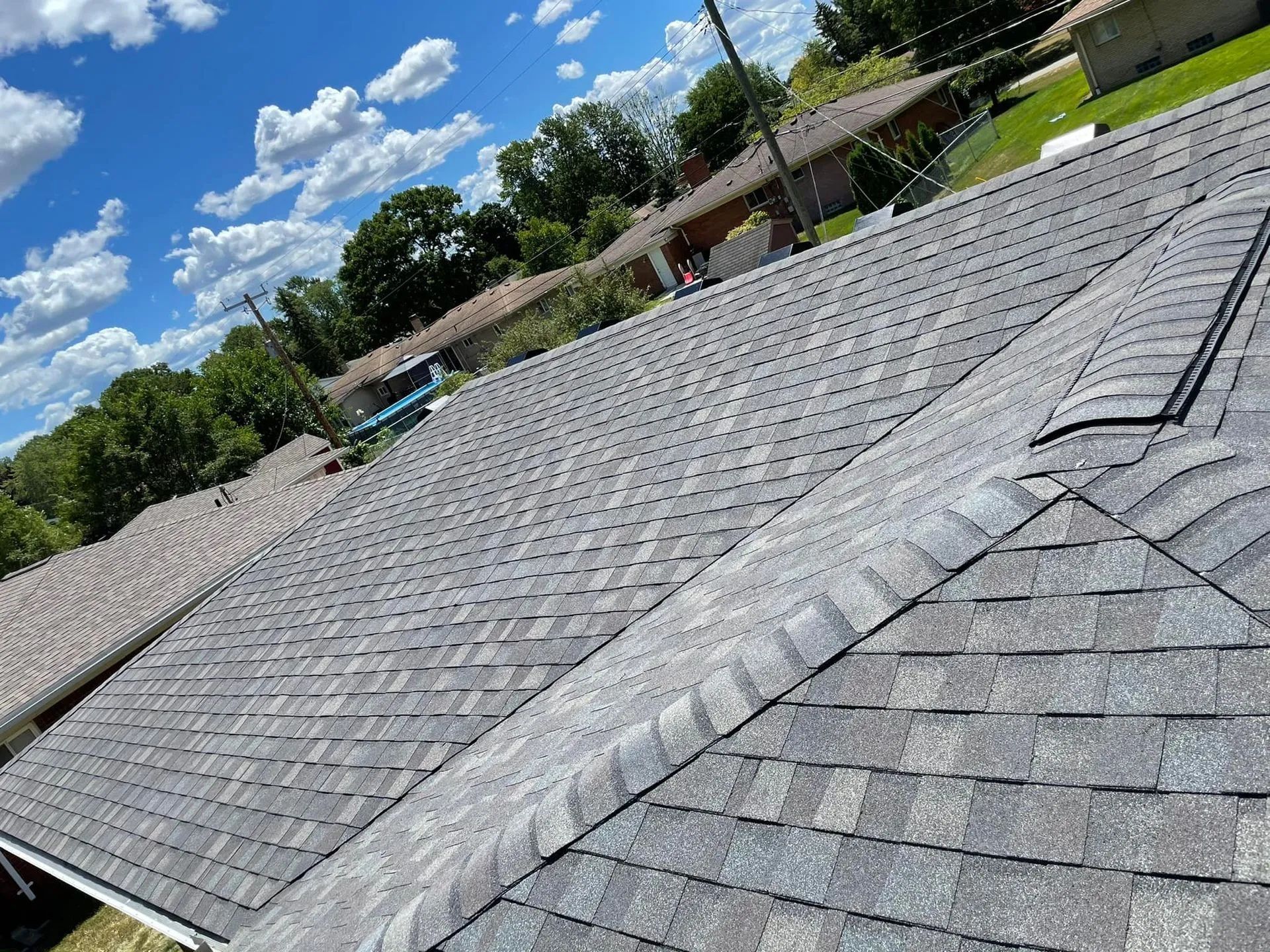
Flashing is a thin layer of metal or synthetic material installed around roof penetrations, edges, and valleys to redirect water away from vulnerable areas effectively. While shingles repel rainfall, flashing serves as the critical seal between roof components and any openings in the roof structure, preventing hidden leaks that often go unnoticed. Improperly installed, corroded, or damaged flashing is one of the leading causes of roof leaks that have nothing to do with the shingles themselves, and it can compromise a roof’s overall integrity over time.
Common Flashing Issues
- Improper Installation: Even minor gaps or poorly overlapped seams can allow water to seep through quickly. For example, flashing around chimneys or skylights must be precisely fitted to the angles of the roof to remain watertight and durable.
- Corrosion and Rust: Over time, metal flashing can deteriorate, especially in areas with high humidity or acid rain exposure, weakening its protective properties. Rust weakens the barrier and eventually develops holes, which allow water infiltration.
- Displacement: Flashing can shift due to strong winds, heavy snow accumulation, or roof settling, leaving seams exposed and vulnerable to continuous water damage during storms.
Preventative Measures
Regular inspections are essential for identifying minor issues before they worsen. Homeowners should check flashing after major storms and ensure it remains secure, rust-free, and properly sealed against water intrusion. Applying roofing sealant around vulnerable areas and hiring a professional for any repairs can prevent leaks from escalating into more significant structural problems that are costly to repair.
2. Plumbing Penetrations and Roof Vents
How Penetrations Cause Leaks
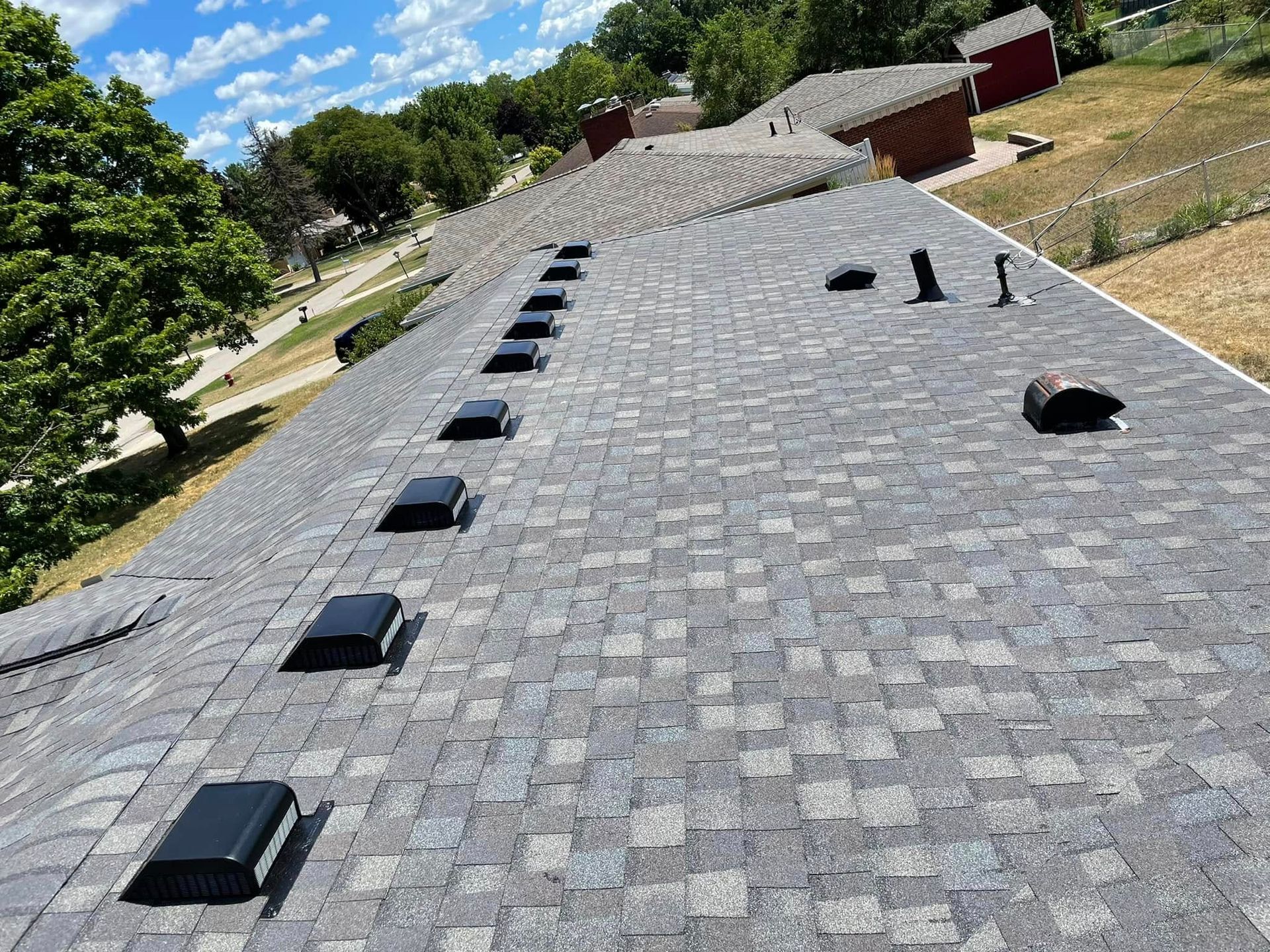
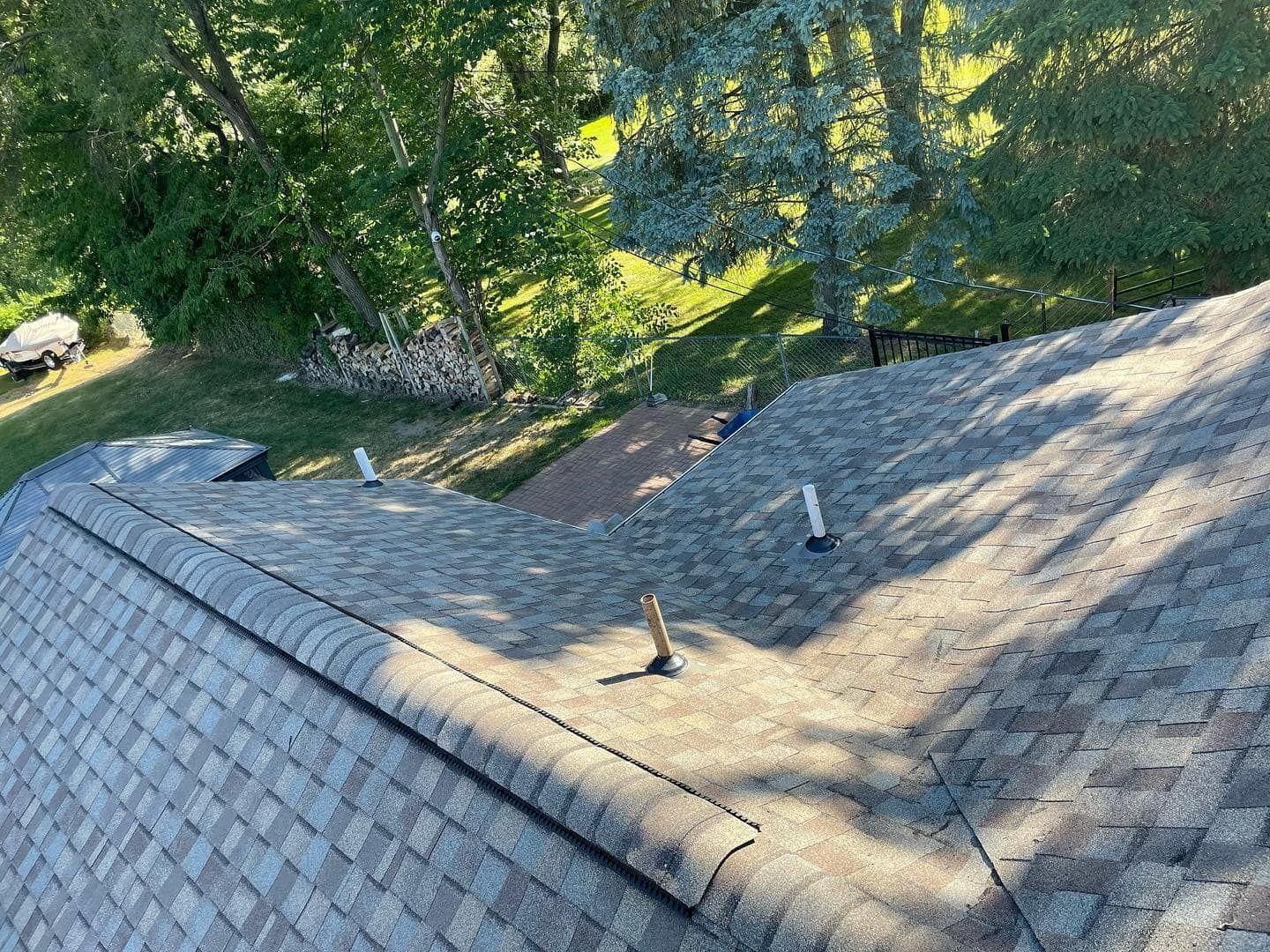
Plumbing vents, exhaust pipes, and skylight shafts penetrate the roof surface, creating potential weak points that require careful sealing. Each penetration requires proper sealing to prevent water infiltration, especially during heavy storms or ice formation. Even small gaps around vent boots or collars can allow water to seep through, potentially causing significant damage to attic insulation and ceiling materials over time.
Signs of Problem Areas
- Water Stains in the Attic: Dark spots on the ceiling or insulation can indicate water entering around vent pipes, signaling leaks that may go unnoticed until advanced damage occurs.
- Cracked or Deteriorated Boots: Rubber boots around plumbing vents harden with age, creating cracks that compromise the seal and increase leak potential, especially during cold winter months.
- Pooling Around Roof Vents: Improperly installed or clogged vent flashing can lead to water accumulation, increasing the risk of persistent leaks and subsequent mold growth.
Best Practices for Prevention
Installing high-quality vent boots, using durable sealants, and inspecting penetrations annually can prevent leaks effectively. Roofers often recommend flexible flashing or metal collars for areas with complex angles or high exposure to weather conditions. In addition, ensuring attic ventilation is balanced reduces condensation that can exacerbate leak issues over time, improving overall roof performance.
3. Ice Dams and Poor Attic Ventilation
Understanding Ice Dams
In colder climates, ice dams can form when heat escapes into the attic and melts snow on the roof surface, creating hidden water damage risks. The water runs down and refreezes at the roof’s edge, creating a barrier that prevents proper drainage. Water then backs up under shingles and can infiltrate the roof deck, causing leaks that have nothing to do with shingle damage, potentially weakening the roof structure over time.
Role of Attic Ventilation
Proper attic ventilation maintains consistent temperatures across the roof, reducing ice dam formation and subsequent water intrusion issues. Inadequate ventilation allows hot spots that melt snow unevenly, increasing the risk of ice dams and causing hidden moisture accumulation that may damage insulation.
Prevention Strategies
- Insulation Upgrades: Sufficient insulation reduces heat transfer from the living space to the attic, helping maintain uniform roof temperatures and reducing ice-related leaks efficiently.
- Roof Rakes and Snow Removal: Timely removal of excess snow prevents heavy ice buildup that can compromise the roof deck and interior ceilings.
- Professional Ventilation Assessment: Roofers can evaluate and install ridge vents, soffit vents, or other ventilation systems to ensure proper airflow and minimize ice-related leaks over time effectively.
4. Gutter and Downspout Problems
How Gutters Influence Roof Integrity
While gutters are not technically part of the roof, their function directly impacts water management and overall home protection. Clogged, damaged, or misaligned gutters prevent proper drainage, causing water to pool along the roof edge. This can lead to leaks and rot that originate from the eaves or fascia boards rather than shingles, affecting the roof’s performance over time.
Common Gutter-Related Issues
- Clogged Gutters: Leaves and debris block water flow, forcing water under roofing materials and potentially causing hidden damage to fascia boards and soffits.
- Improper Slope: Gutters must slope toward downspouts; otherwise, water accumulates and overflows onto the roof edge, increasing the risk of leaks and foundation issues.
- Detached or Rusted Sections: Loose gutters allow water to flow behind them, seeping into the roof structure and creating persistent moisture problems over time.
Maintenance Tips
Regular gutter cleaning, ensuring proper slope and attachment, and installing gutter guards can prevent water infiltration effectively. In addition, roof edges should be inspected after storms to confirm that water is flowing freely into the drainage system, reducing the risk of prolonged exposure that causes rot and structural damage.
5. Roof Deck and Structural Issues
Hidden Dangers Beneath the Shingles
Even with flawless shingles, problems in the roof deck or underlying structure can cause leaks that are difficult to detect. Wood rot, cracks in the decking, or compromised underlayment can create entry points for water. Roof leaks originating from the deck are often more challenging to detect because the exterior shingles may appear intact and undamaged, masking underlying structural concerns.
Examples of Deck-Related Leaks
- Warped or Rotten Decking: Moisture trapped under the shingles can cause wood to warp or rot, creating gaps for water to seep through and weakening the roof support over time.
- Faulty Underlayment: Synthetic or felt underlayment acts as a secondary barrier. Tears, wrinkles, or improper installation compromise this protection and allow water penetration during storms.
- Structural Shifts: Settling of the home or roof can create stress points where flashing and shingles no longer fit snugly, increasing vulnerability to leaks.
Recommended Solutions
Homeowners should schedule periodic professional inspections to assess the condition of roof decking and underlayment thoroughly. Any signs of sagging, soft spots, or water stains in the attic should be addressed immediately to prevent extensive damage. Reinforcing the deck and installing high-quality underlayment provides a robust secondary defense against hidden leaks.
Trusted Expert Insights from Weatherseal Roofing Professionals
Weatherseal Home Improvements, located in Shelby Township, Michigan, brings 36
years of trusted expertise to homeowners navigating
roof maintenance and repair. With decades of hands-on experience, our team specializes in identifying and resolving complex leak issues that go beyond shingles. From meticulous flashing inspections to vent and skylight repairs, we offer comprehensive solutions that ensure lasting protection for your home. Rely on Weatherseal Home Improvements
for professional guidance, high-quality materials, and a commitment to excellence that has kept homes safe and dry across Michigan for over three decades.