How Roofing Installation Quality Impacts Insurance Claims and Approvals
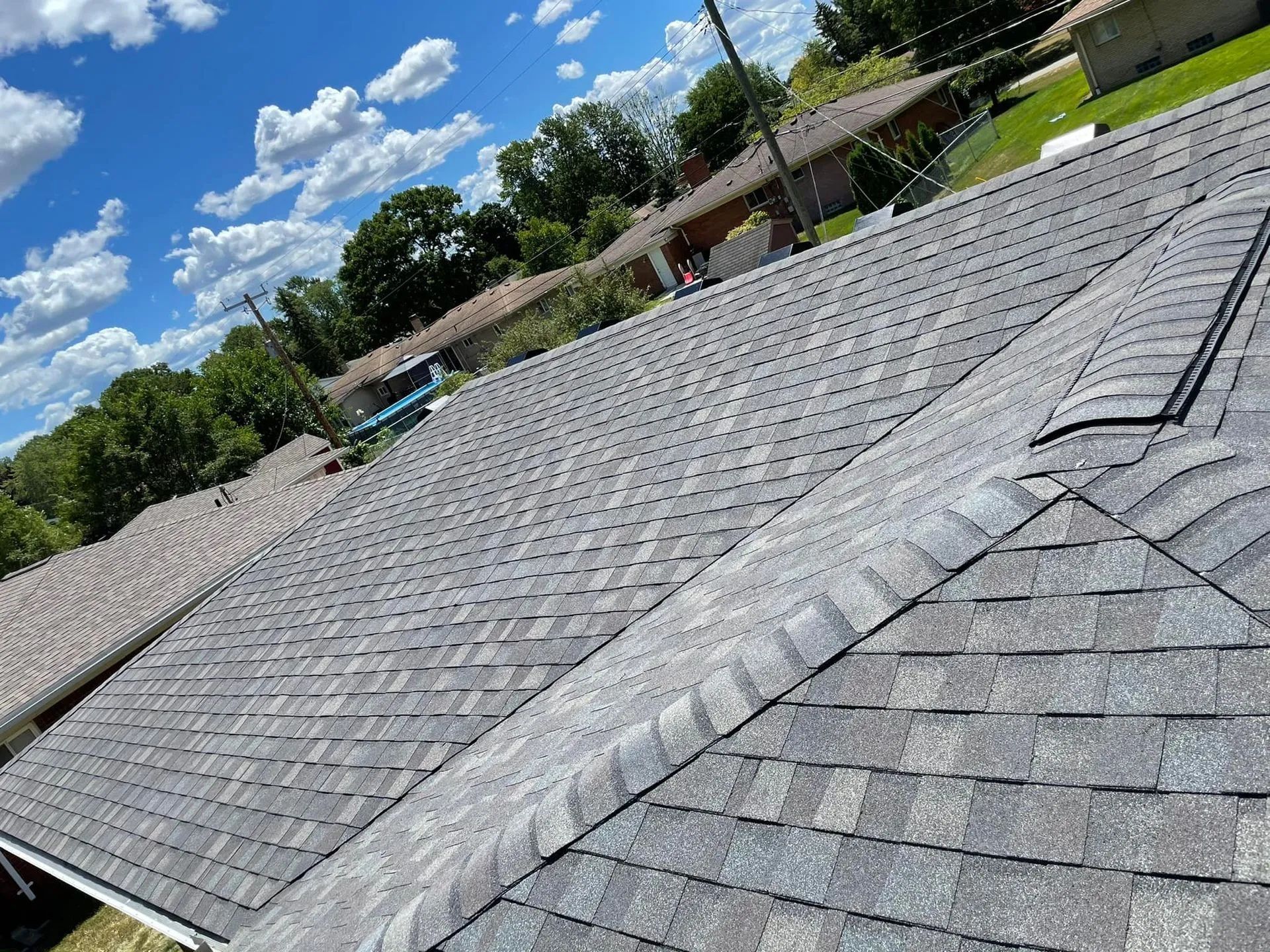
A roof serves as one of the most important protective components of any residential or commercial property. Beyond shielding a building from rain, wind, snow, and other environmental elements, a properly installed roofing system plays a major role in maintaining structural integrity and protecting valuable assets inside the property. While many property owners focus on roofing materials when planning a new roof installation, the quality of workmanship is equally important. Insurance providers increasingly evaluate roofing installation standards when assessing risk, determining coverage eligibility, and reviewing claims related to weather damage or structural failures. Poor installation practices can create vulnerabilities that lead to denied claims, higher premiums, or difficulties obtaining coverage altogether.
As severe weather events become more frequent and insurance companies face rising claim costs, insurers have adopted stricter evaluation processes for roofing systems. Installation quality influences how a roof performs during storms, how long it lasts, and whether damage results from covered events or workmanship-related issues. Property owners who invest in professional roofing installation often experience smoother insurance approvals and stronger claim support when unexpected damage occurs. Understanding the connection between roofing installation quality and insurance outcomes helps homeowners make informed decisions that protect both their property and their financial interests. This relationship has become an increasingly important consideration throughout the roofing industry.
The Connection Between Roofing Installation and Insurance Risk Assessment
Why Insurance Companies Evaluate Roofing Quality
Insurance providers assess risk before offering coverage. Since roofs are a property's first line of defense against weather-related damage, insurers pay close attention to roofing conditions and installation quality.
A professionally installed roof reduces the likelihood of leaks, wind uplift, structural deterioration, and premature failures. From an insurer's perspective, lower risk often translates into a greater willingness to provide coverage and favorable policy terms.
When underwriters evaluate a property, roofing factors commonly include:
- Age of the roof
- Installation methods
- Material quality
- Compliance with local building codes
- Maintenance history
- Previous repair records
If installation deficiencies are identified, insurance companies may classify the property as higher risk, which can impact coverage availability.
The Cost of Poor Installation
Improper installation can create hidden weaknesses that remain unnoticed for years. Misaligned shingles, inadequate flashing, poor ventilation, and incorrect fastening methods can contribute to premature roof failure.
When these issues eventually lead to damage, insurers may determine that the loss resulted from workmanship defects rather than a covered event. This distinction often becomes a major factor during claim reviews.
How Installation Quality Affects Insurance Claim Approvals
Determining the Cause of Roof Damage
One of the first steps during an insurance investigation involves identifying the cause of damage. Insurance policies generally cover sudden and accidental events such as hailstorms, wind damage, fallen trees, or severe weather.
However, policies often exclude damage caused by:
- Improper installation
- Construction defects
- Poor workmanship
- Neglected maintenance
- Normal wear and tear
For example, if a windstorm removes roofing shingles, an adjuster will evaluate whether the shingles failed because of storm conditions or because they were improperly secured during installation.
When installation deficiencies contribute significantly to the failure, the claim may be partially or fully denied.
Real-World Example
Consider two neighboring homes exposed to the same windstorm.
The first property has a professionally installed roofing system that meets manufacturer specifications. The second property has improperly nailed shingles and inadequate edge protection.
Following the storm, both roofs sustain damage. The insurer may approve the first claim because the roof performed as expected until exposed to extraordinary weather conditions. The second claim may face challenges because the installation defects contributed to the loss.
This example illustrates how installation quality directly influences claim outcomes.
Building Code Compliance and Insurance Considerations
Why Code Compliance Matters
Building codes establish minimum safety and performance standards for roofing systems. Professional roofing installations are designed to comply with these regulations, ensuring the roof can withstand local environmental conditions.
Insurance companies often review code compliance during underwriting and claim investigations because non-compliant roofing systems present greater risk.
Key code-related installation requirements may include:
- Wind resistance standards
- Ice and water barrier installation
- Ventilation requirements
- Flashing specifications
- Fastener placement
- Structural load requirements
Failure to meet these standards can affect both coverage approval and claim eligibility.
Documentation Strengthens Claims
Professional roofing contractors typically provide:
- Installation records
- Permit documentation
- Manufacturer certifications
- Inspection reports
- Warranty information
These records create a clear paper trail demonstrating that the roof was installed according to accepted industry standards.
When insurance claims arise, documentation helps establish the roof's condition before the loss occurred. This evidence can significantly strengthen a property owner's position during the claims process.
The Role of Roofing Warranties in Insurance Decisions
Understanding the Difference Between Warranties and Insurance
Many property owners mistakenly assume roofing warranties and insurance policies provide identical protection. In reality, they address different risks.
A roofing warranty may cover:
- Material defects
- Manufacturing issues
- Approved installation errors
Insurance policies generally cover:
- Storm damage
- Fire damage
- Falling objects
- Certain accidental losses
High-quality installation often enables property owners to maintain both manufacturer warranties and insurance coverage without conflicts.
Improper Installation Can Void Warranty Protection
Manufacturers establish strict installation requirements to ensure product performance. If roofing materials are installed incorrectly, warranty coverage may become void.
When a problem develops, insurers may expect warranty coverage to address installation-related issues. If the warranty is void because of improper workmanship, property owners may face substantial out-of-pocket repair expenses.
Professional installation helps preserve warranty protection while reducing potential disputes between insurers and manufacturers regarding responsibility for damage.
Long-Term Financial Benefits of Professional Roofing Installation
Lower Risk of Claim Disputes
Insurance claim disputes often arise when there is uncertainty about the source of roof damage. A professionally installed roofing system provides stronger evidence that damage resulted from a covered event rather than workmanship deficiencies.
This can help streamline investigations and reduce delays during claim processing.
Property owners benefit from:
- Faster claim reviews
- Stronger supporting documentation
- Reduced likelihood of claim denials
- Greater confidence during inspections
These advantages become particularly valuable following major weather events when insurance companies manage large volumes of claims.
Potential Insurance Premium Advantages
Some insurance providers offer favorable rates for homes with newer, professionally installed roofing systems.
Factors that may influence premiums include:
Improved Wind Resistance
Proper installation techniques help roofs withstand high winds and severe storms.
Enhanced Durability
Correct installation extends roof lifespan and reduces the likelihood of unexpected failures.
Reduced Water Intrusion Risk
Proper flashing, ventilation, and underlayment systems help prevent costly water damage claims.
Over time, these benefits can contribute to lower overall ownership costs.
Increased Property Value
A properly installed roof provides more than insurance advantages. Buyers often view professionally installed roofing systems as valuable assets because they reduce future repair concerns.
Inspection reports, warranties, and installation documentation can support higher resale value and improve buyer confidence during property transactions.
Protecting Your Investment Through Quality Roofing Decisions
Looking Beyond Immediate Installation Costs
Many homeowners focus primarily on the upfront cost of a roofing project. While budget considerations are important, installation quality should remain a top priority.
A professionally installed roof contributes to:
- Greater structural protection
- Improved insurance eligibility
- Stronger claim support
- Extended roof lifespan
- Better warranty protection
These benefits often outweigh any short-term savings associated with lower-quality installations.
Building Confidence Before a Claim Occurs
The best time to prepare for an insurance claim is long before damage happens. Quality installation provides peace of mind because property owners know their roofing system was built according to accepted standards.
When severe weather strikes, proper installation can make the difference between a straightforward claim approval and a lengthy dispute over workmanship issues.
Understanding this relationship helps property owners make informed decisions that support both property protection and financial security.
Dedicated Roofing Expertise For Stronger Property Protection
At Weatherseal Home Improvements
in Shelby Township, Michigan, we bring 36
years of experience helping property owners protect their homes through
high-quality roofing solutions. We understand the critical connection between roofing performance, insurance requirements, and long-term property protection. Our approach focuses on proper installation methods, quality materials, code compliance, and attention to detail that supports lasting results. We work closely with homeowners to ensure roofing systems are built to withstand challenging weather conditions while meeting industry standards. Whether installing a new roof, replacing an aging system, or addressing storm-related concerns, we provide knowledgeable guidance and dependable craftsmanship. Our commitment to quality helps homeowners gain confidence that their roofing investment supports both structural protection and future insurance needs.